
Visit the Centre County Historical Society

Visit the Centre County Historical Society

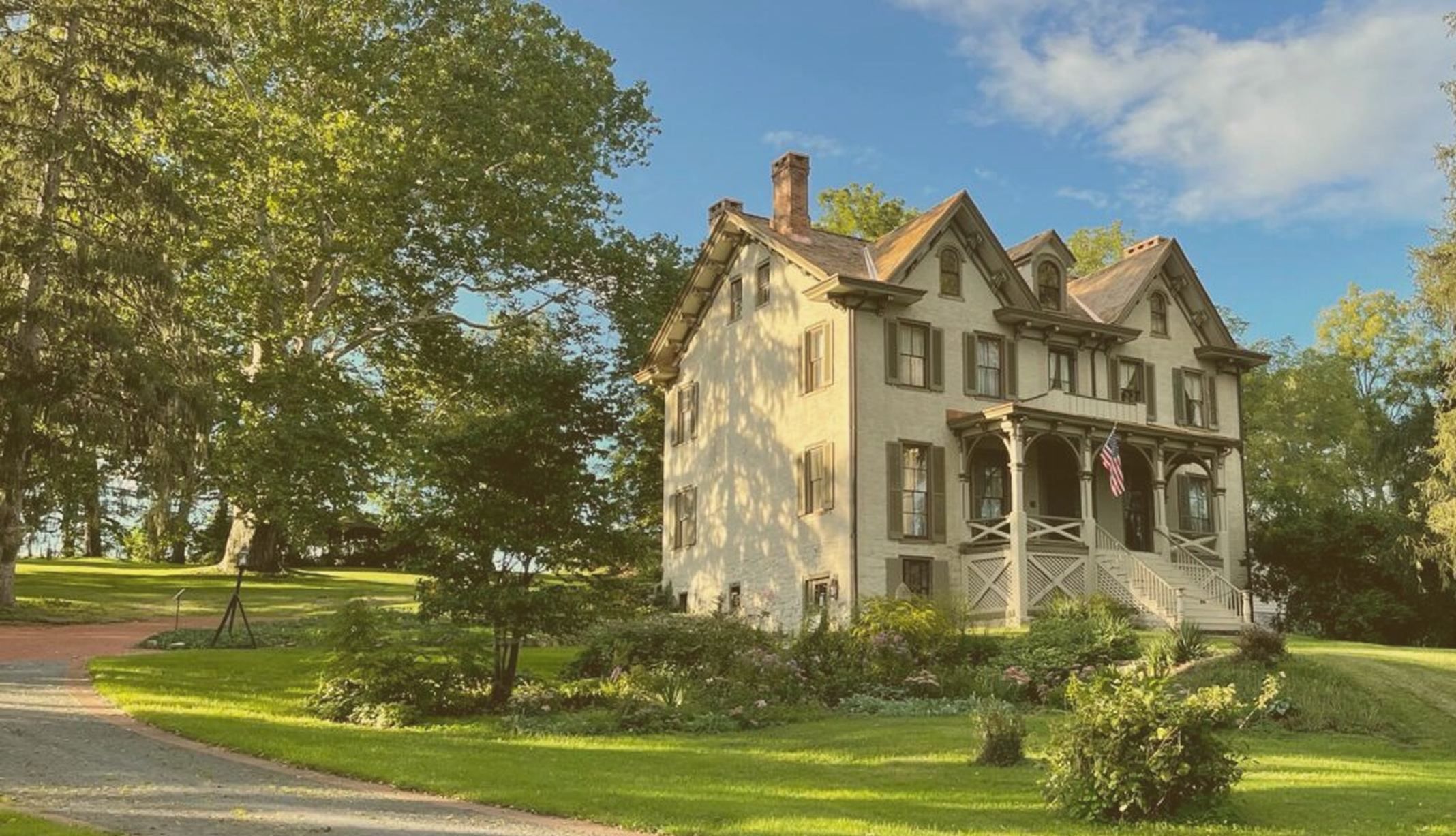
Explore the historic Centre Furnace Mansion, gardens and grounds, and the Boogersburg One-Room Schoolhouse. Find hours, tour details, accessibility information, and everything you need to plan your visit.

Centre Furnace Mansion Tours

Tour Hours
Sunday, Wednesday & Friday
1:00–4:00 p.m.

Tours are led by knowledgeable volunteer docents and last approximately 1 hour.

Admission
Free & open to the public
Suggested donation: $4/person

Reservations
Walk-ins are welcome during regular tour hours, but scheduling ahead is encouraged.

[Schedule Your Tour]

Or call 814-234-4779

Group Tours

Planning a visit with a larger group?

We welcome:

  • Family & friend groups
  • School groups
  • Scout groups
  • Special interest organizations
  • Groups of 8+ guests

Our team can customize your visit during or outside regular tour hours.

Call 814-234-4779 to schedule.
Centre County Historical Society Hours

Centre County Historical Society Hours

Office Hours
Monday–Friday
9:00 a.m.–5:00 p.m.

Advance notice of your visit is appreciated.

Museum Store Hours
Monday–Friday: 9:00 a.m.–5:00 p.m.
Sunday: 1:00–4:00 p.m.

Visit the store to browse books and local history resources.
Gardens & Grounds

Gardens & Grounds

Grounds: Open daily from dawn to dusk

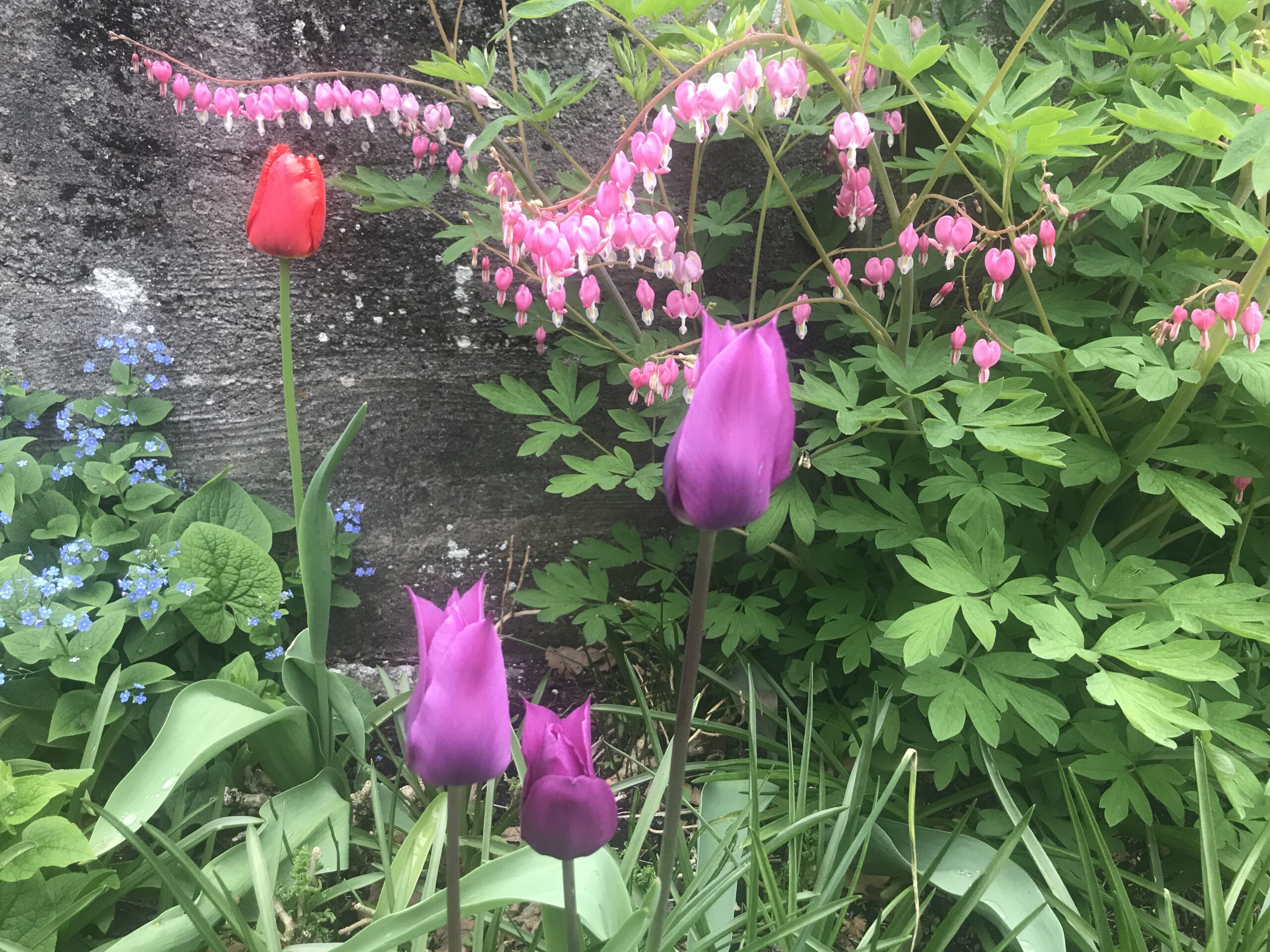
Enjoy the gardens, walking paths, Centre Furnace Stack, and interpretive signs throughout the property.

Accessibility

The Centre Furnace Mansion is wheelchair accessible on the:

  • Ground floor
  • First floor

The second floor is accessible by stairs only. Please contact us before your visit if anyone in your group requires special assistance.
Boogersburg One-Room Schoolhouse

Boogersburg One-Room Schoolhouse

Grounds: Open daily dawn to dusk

Tours: Available by appointment
Mid-March through mid-October

Please note: The schoolhouse is not heated.

Join us each September for the annual Boogersburg School Open House. Visit our events calendar for details.
Before You Visit

Before You Visit

  • Scheduling your tour in advance is encouraged.
  • If you are feeling ill, please reschedule your visit.
  • Hand sanitizer is available inside the Mansion.
  • The Mansion is closed in observance of most Federal Holidays. Please call ahead to confirm holiday hours.
Mansion in Spring
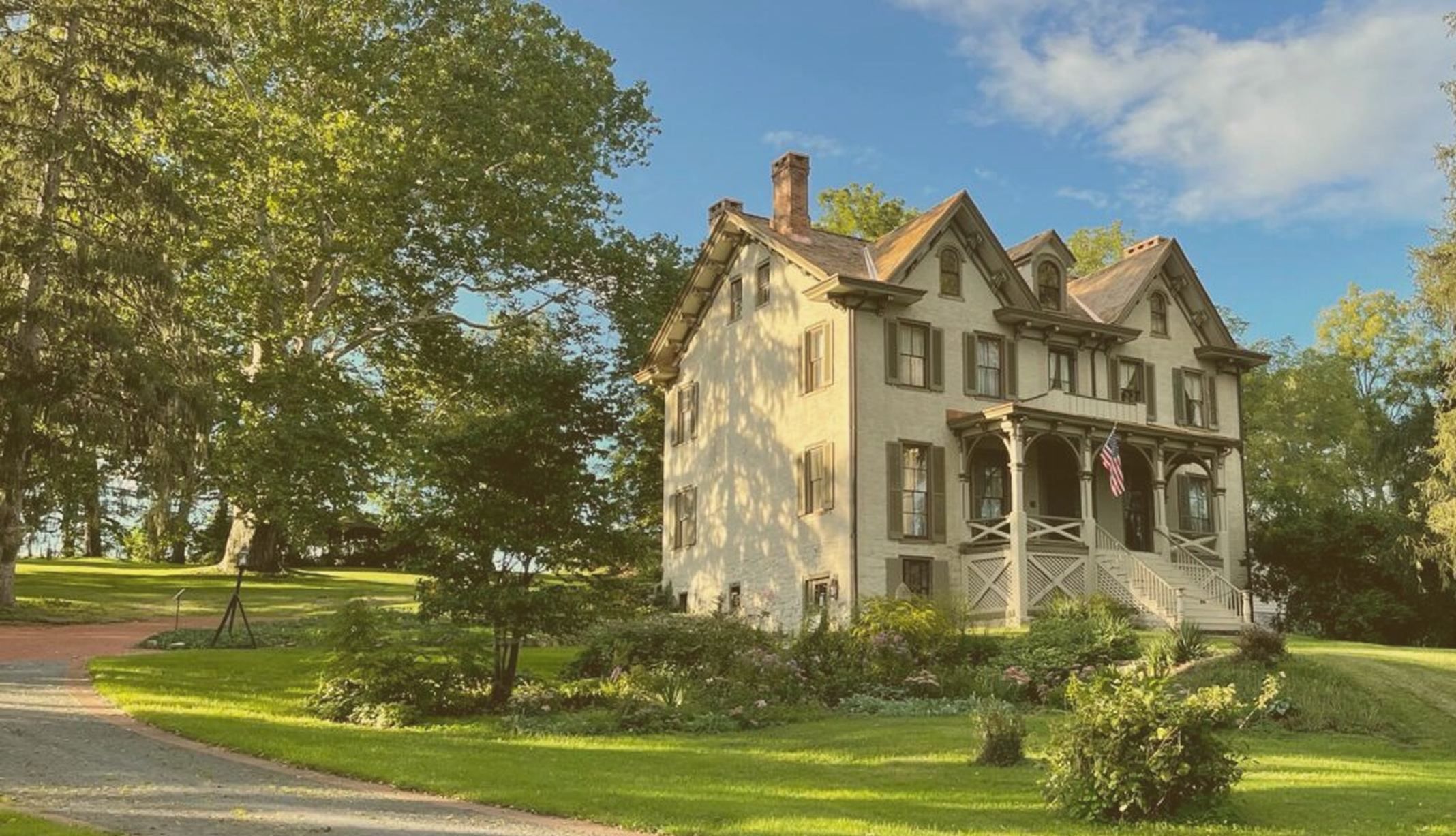
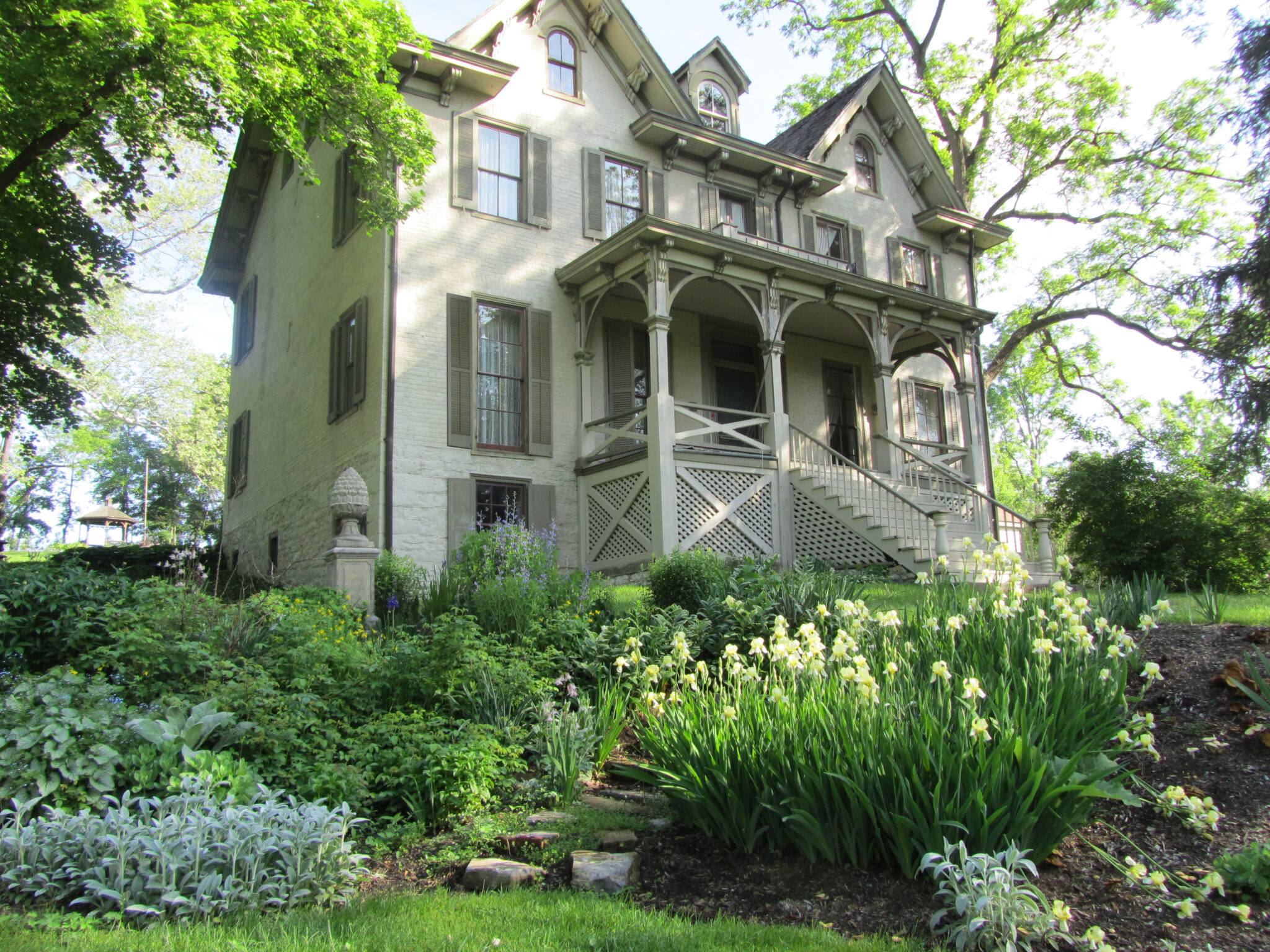
The Mansion, the ironmaster’s residence for Centre Furnace, has been restored and is furnished to reflect the period of residency of ironmaster Moses Thompson and his family, 1842-1891. A mansion in miniature, identical to the original and scaled one inch to one foot, is on permanent display.Centre Furnace site includes the Centre Furnace Mansion, furnace stack, and surrounding eight acres. This National Register site represents a small portion of the late 18th-century ironmaking village once located here. Its interpretation is based on historical documentation and archaeological research, and includes carefully landscaped grounds with walkways and period gardens.

Centre Furnace Mansion

The Centre Furnace Mansion serves as headquarters for the Centre County Historical Society.
Centre Furnace Mansion and Flowers
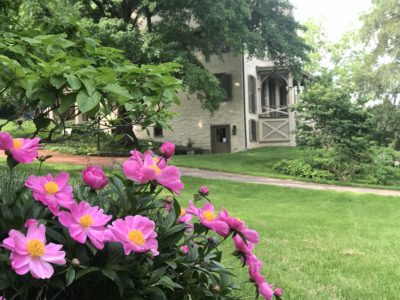
With the help of landscape architects, historians, and horticulturists, the gardens were researched, sited, thoughtfully designed, and cared for by dedicated Historical Society volunteers and part time gardening staff. Another nearly seven acres was added to the property in the 1990s, through purchase, a gift, and a long-term lease agreement with Penn State. With this growth and over time, there became an increasing need for consistent and more volunteer support in the gardens. In 2001, with help from volunteers from the local PSU Master Gardeners of Centre County Cooperative Extension, the Centre Furnace Mansion Garden Committee formed to maintain and develop the gardens and garden programming. The property is tucked into a hillside, secluded by large spruce, maple, walnut and sycamore trees. But it is a 250-year-old sycamore tree that dominates the landscape graced with gardens and expanses of lawn as would have been common in the Victorian Era in which the mansion has been restored.

Centre Furnace Mansion Gardens

The Centre County Historical Society received the Mansion and approximately two acres through a bequest in 1978. Beginning in 1983-1984, the restoration of the Mansion and plans for the recovery of the gardens and grounds were underway.
boogersburg school
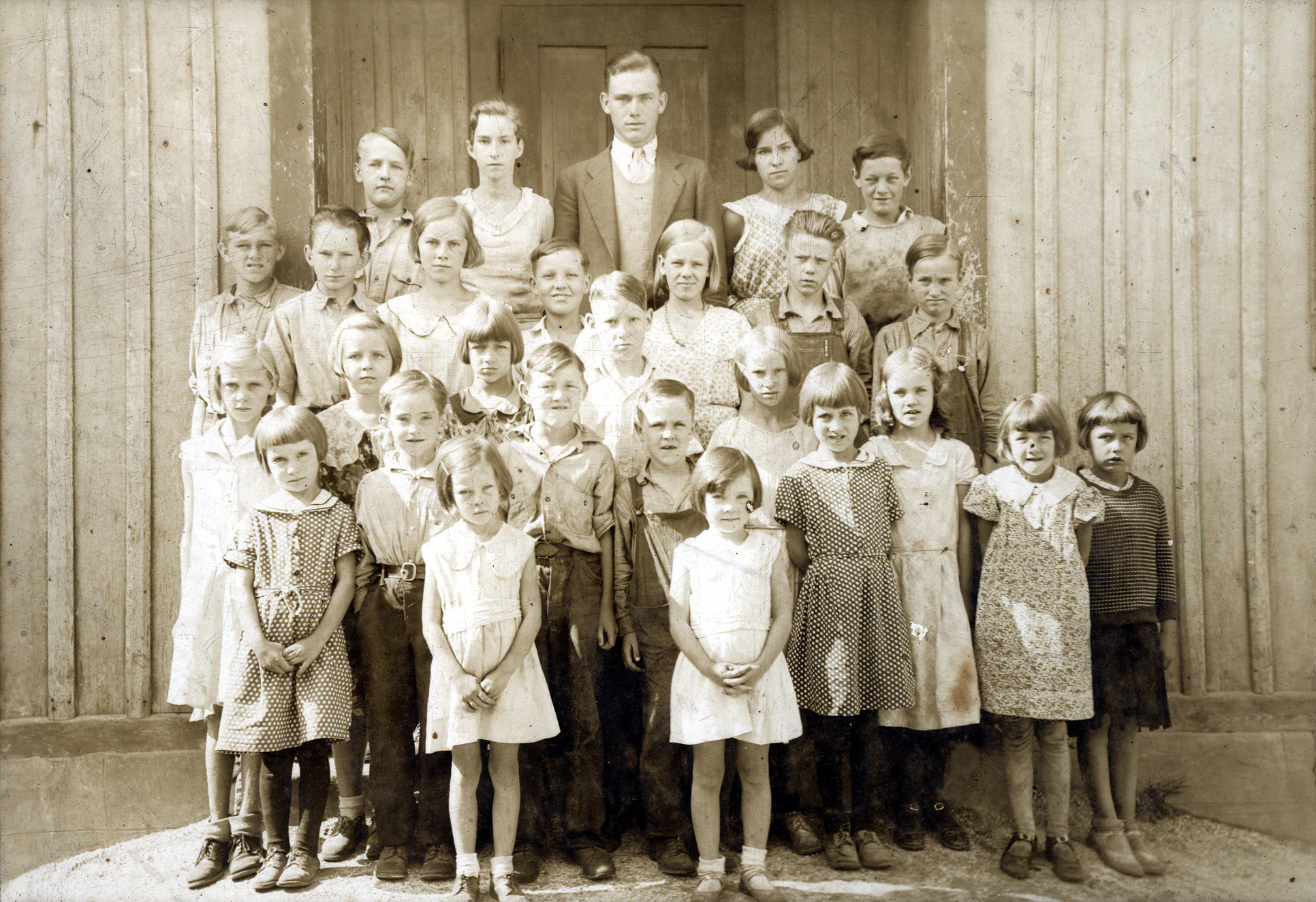
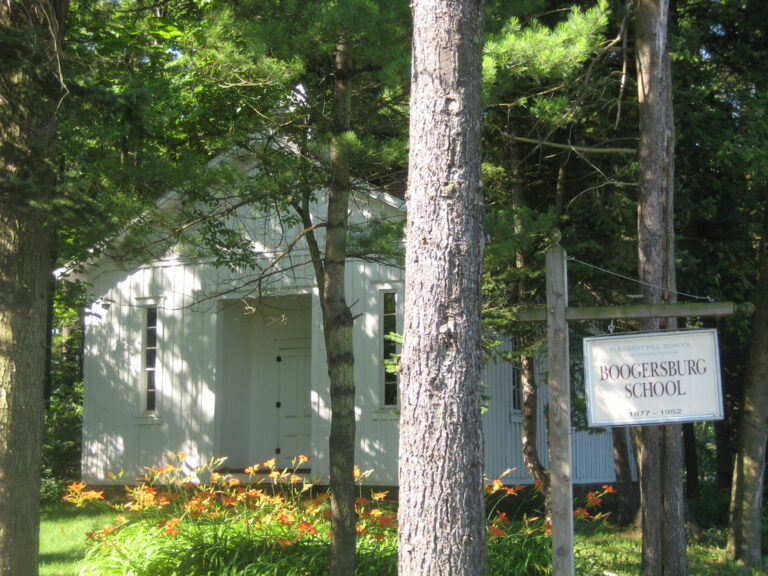
Built in 1877 on land donated by Centre Furnace ironmaster Moses Thompson, Boogersburg School served local students for more than 75 years. Today, the beautifully restored one-room schoolhouse is preserved by the Centre County Historical Society and offers visitors a glimpse into late 19th- and early 20th-century education. Through interactive programs led by volunteer “school marms,” hundreds of students and visitors each year experience a traditional school day and discover Centre County's educational heritage.

Boogersburg School

Step inside a restored 1877 one-room schoolhouse where generations of Centre County children learned. Experience what school life was like before modern classrooms through hands-on history and education.
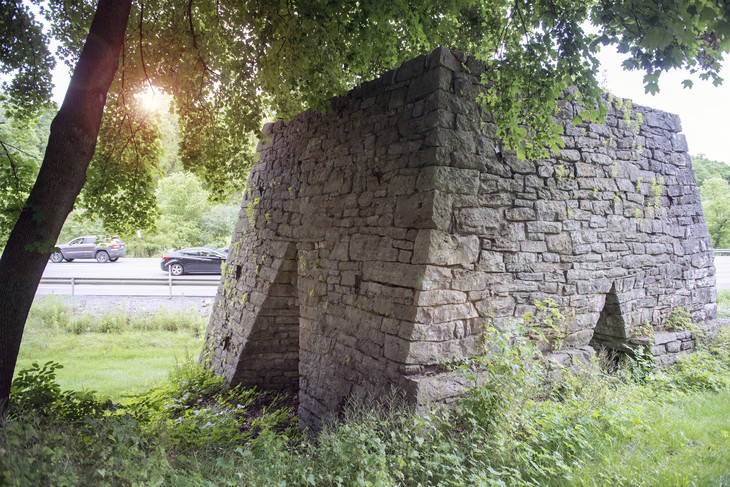
Centre Furnace Stack
Established in 1791 by Revolutionary War veterans Samuel Miles and John Patton, Centre Furnace was the first iron furnace in what became Centre County. Using locally sourced iron ore, limestone, and charcoal, the furnace began producing iron in 1792 and fueled the region's economic growth for decades. The iron industry that grew around the furnace helped inspire the creation of Centre County, influenced the development of State College, and contributed to the founding of Penn State.

Centre Furnace Stack

Standing since the 1790s, the Centre Furnace Stack is the surviving heart of Centre County's iron industry and the landmark that helped shape State College and Penn State.


Committed to Transparency

This website is being made possible in part through a grant provided by the Centre County Board of Commissioners and Happy Valley Adventure Bureau. Funding for the Centre County Historical Society is also supported by a grant from the Pennsylvania Historical and Museum Commission, a state agency funded by the Commonwealth of Pennsylvania.