From Ironmaking Village to the Birthplace of Penn State
Ironmasters Samuel Miles and John Patton from Philadelphia bought over 16,000 acres to found Centre Furnace in 1791. Local quarries and forests provided the iron ore, limestone, and charcoal used to make the metal bound for Philadelphia and Pittsburgh. Today, these lands would cover much of State College and University Park, as well as parts of Benner, College, Ferguson, Halfmoon, Harris, and Patton townships.
Centre Furnace Village included the still-standing ironmaster’s Mansion and furnace stack. Houses for the iron and farm workers, a church, post office, company store, school, blacksmith shop, gristmill and sawmill have since crumbled into history.
Plan Your Visit
Experience one of Centre County's most important historic sites and discover the story of the iron industry, the Thompson family, and the origins of Penn State.
Step inside the birthplace of Penn State and explore over two centuries of Centre County history.
The Early Years of Centre Furnace
The furnace went “into blast” in 1792, and an ironmaking village grew up around the furnace. According to early tax records, Col. Patton and his family, the first to live at Centre Furnace, made their home in a log structure.
Col. Miles was an entrepreneur and politician. In 1790 he was elected Mayor of Philadelphia, and probably never saw Centre Furnace. Col. Patton, however, had experience with iron making in southeast Pennsylvania and acted as ironmaster. In 1798 he sold out to Miles and retired to a farm near what is now Shingletown.
The Ironmaster's Mansion
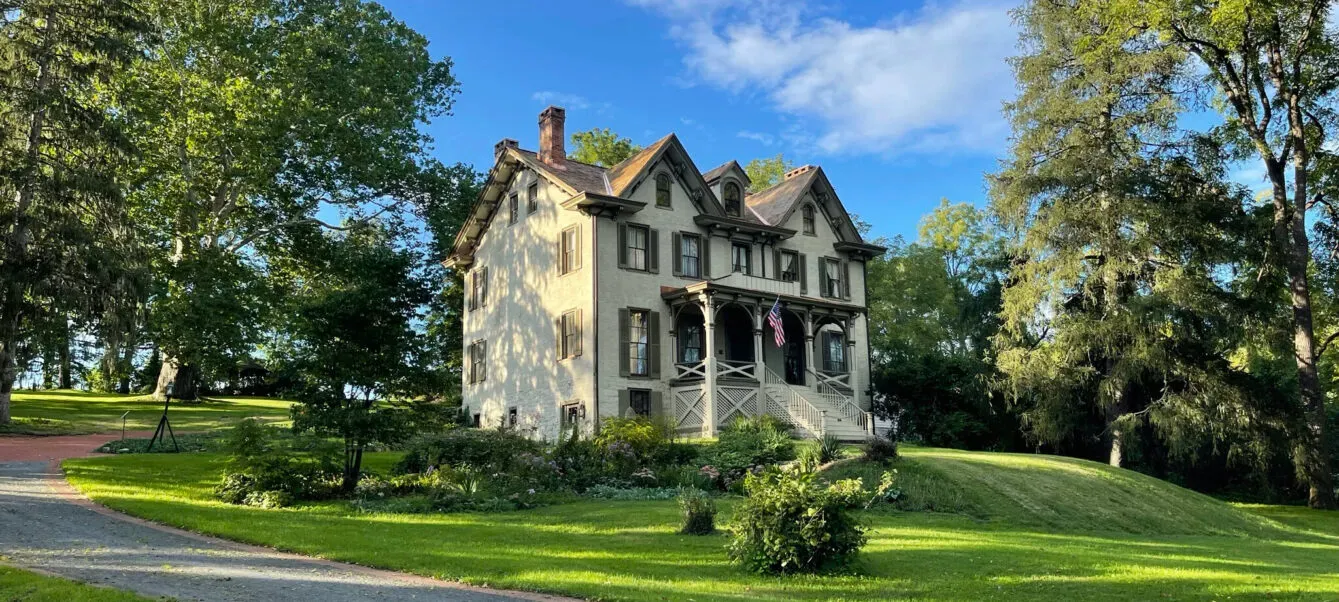
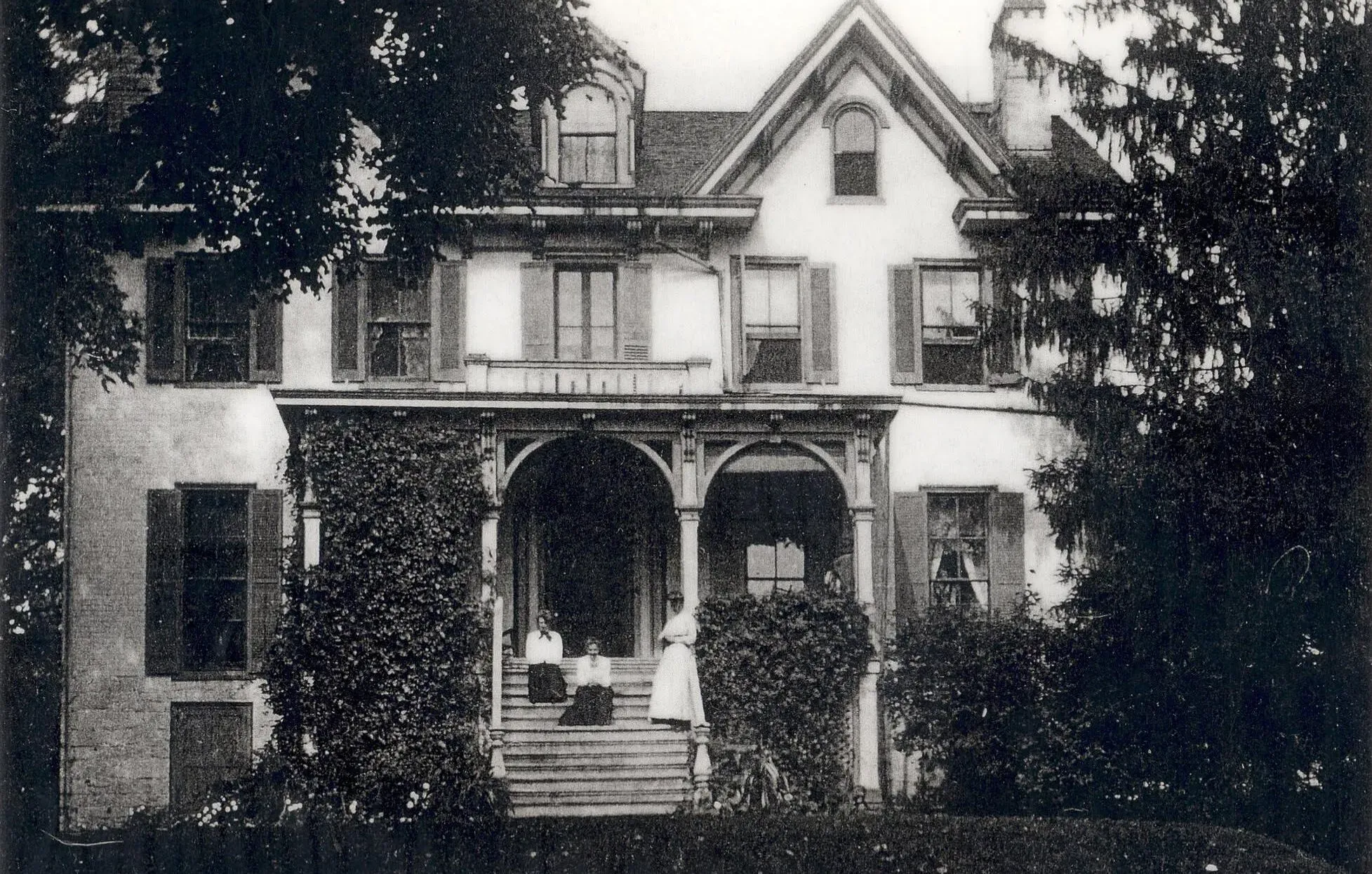
Centre Furnace Mansion was the ironmaster’s mansion. Here, the ironmaster could oversee the operations of the furnace business, located within view from the southwest corner of the house. It is appropriately called a mansion, since a mansion is the largest house in a village. This was the largest and grandest house in Centre Furnace Village. It is situated on a small knoll and looked over the village.
The Thompson Family Era
Moses and Mary Irvin Thompson moved into the Mansion in 1842. A General William Houston was part owner and lived at Centre Furnace (and we assume in the Mansion) in the 1830s. Joseph Green, Jr. and J. Miles Green, relatives of Col. Samuel Miles, both served as Centre Furnace managers during the 1830s and may have lived here during that period. Joseph Green, Sr. was a carpenter who came with the Miles’ from Chester County in the 1790s. He is reputed to be the builder of the furnace stack and may also have built the Mansion. According to John Blair Linn (History of Centre and Clinton Counties), he did build the furnace and his house in Milesburg.
The Mansion’s ell was added in 1846 by Moses and Mary Irvin Thompson.
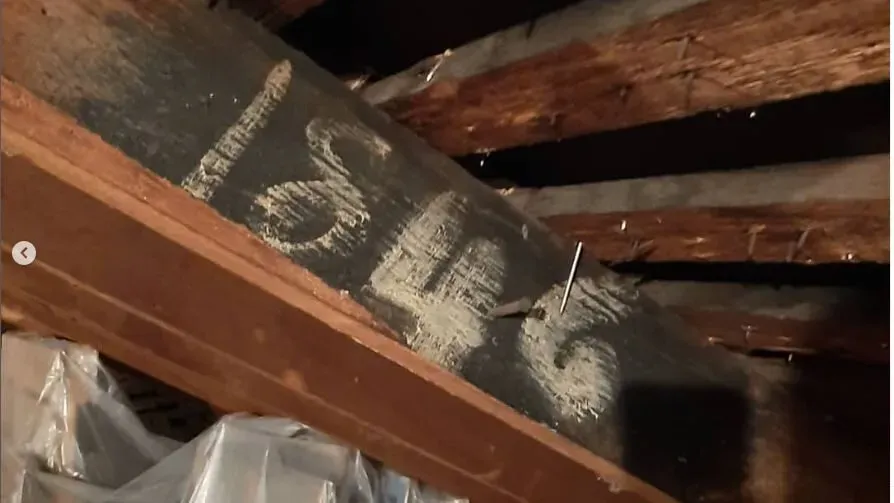
“1846” painted on a beam in the attic of the ell.
To demonstrate their modern tastes, the Thompsons Victorianized their front rooms with large windows and slate mantels, while the back bedrooms maintained their simple Georgian look with original mantels and six-over-nine pane windows.
The Garver Family and Preservation Efforts
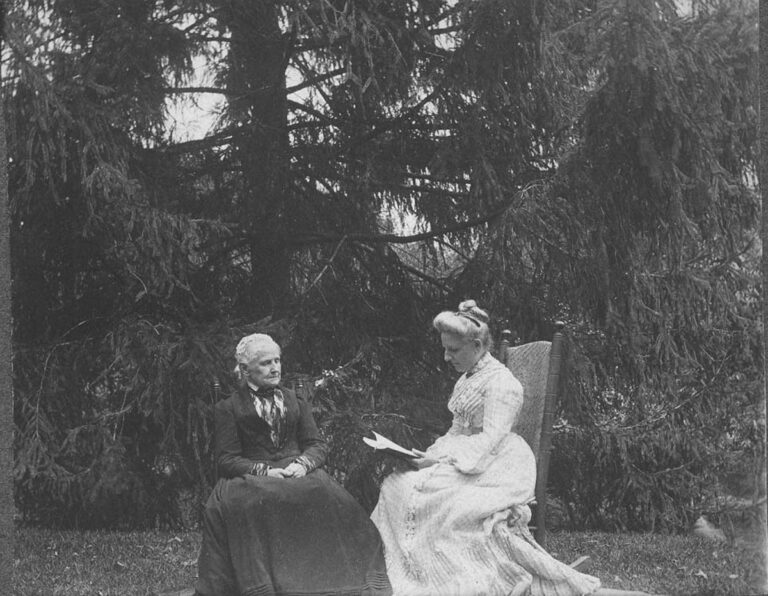
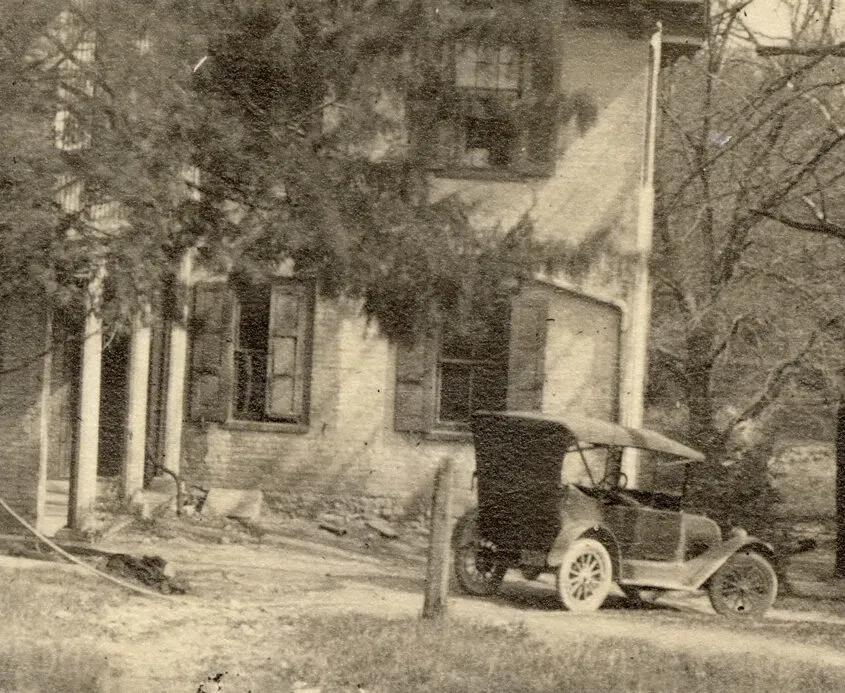
Members of the Thompson family lived in the mansion until 1912. In a 1920 letter from his father, Madison Garver to David Garver, it was described that the house had fallen into despair. Madison Garver purchased the mansion as a wedding gift for David and Anita Marguerite Imboden. He made many improvements including running water and electricity. David Garver died in 1975 and bequeathed the mansion to the Centre County Historical Society.
Restoring a Historic Landmark
When the Historical Society received the mansion, it was decided that it should be restored to its appearance during the period of residency of the Moses Thompson family 1842-1891. Certain modern conveniences were retained or modified. Central heating was retained, but the radiators which had been in place were removed. Running water and restroom facilities were installed only on the lowest level. Electricity was updated throughout the house. An extensive fund raising effort was made to raise the money for the restoration, and efforts were made to use wallpaper and furnishings of the period based on wallpaper samples that were discovered in restoration. With donations of artifacts and furniture, the Centre Furnace Mansion now serves as a historic house museum to take visitors back in time.
The Penn State Connection Continues
Connections between Penn State and Centre Furnace Mansion continue today through Penn State student volunteers and interns who serve in numerous ways and Penn State faculty who serve the CCHS on the Board of Governors, committees and special projects.
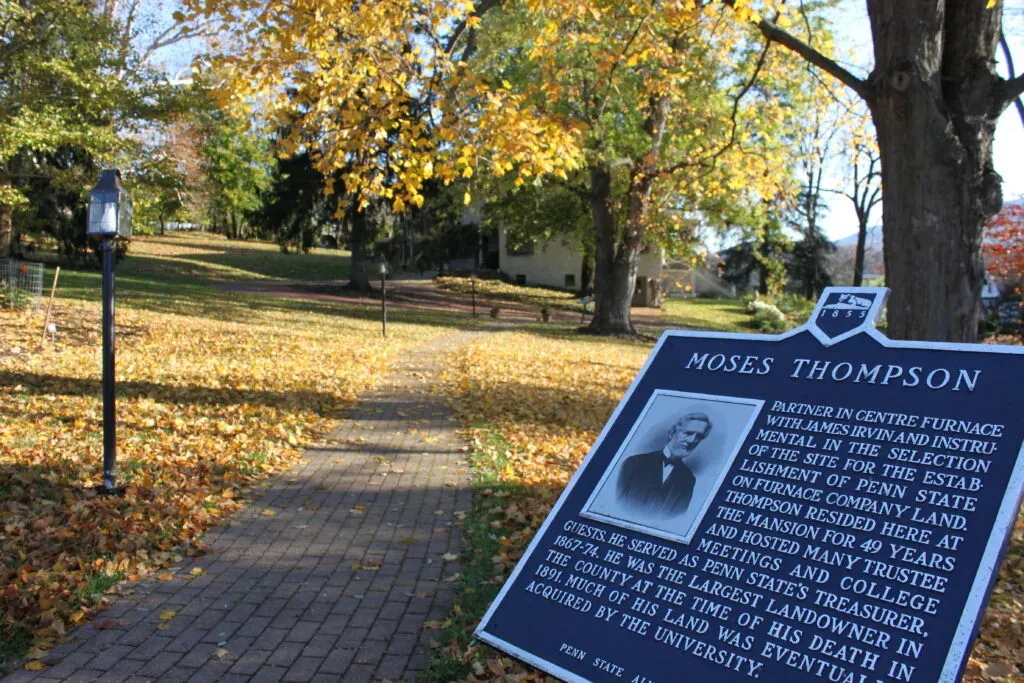
Welcome to the Centre Furnace

Hearth Room Hearth
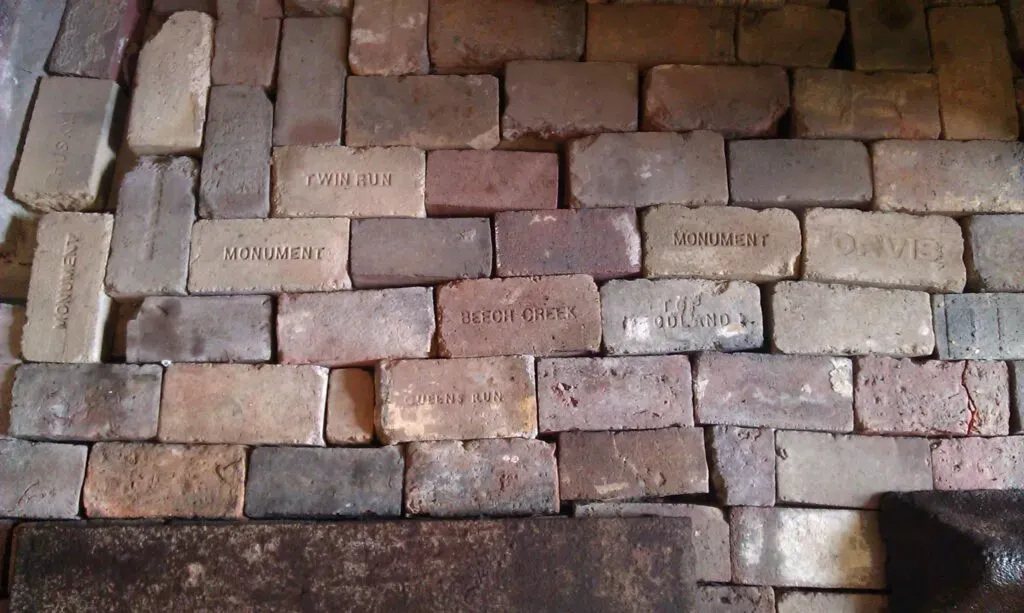
Hearth Bricks
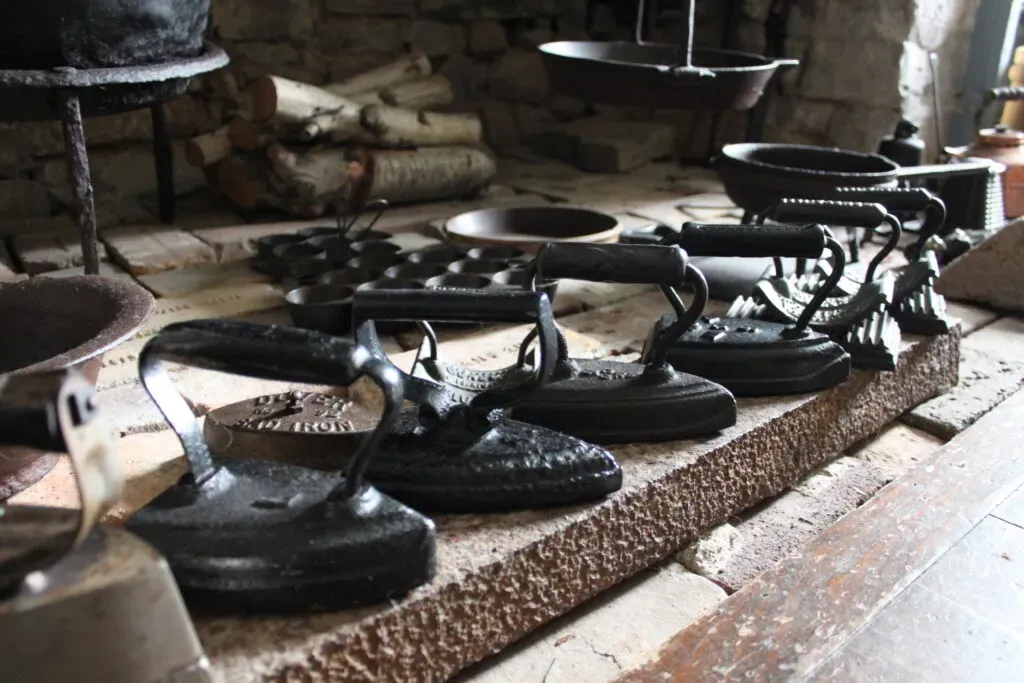
Irons in Hearth
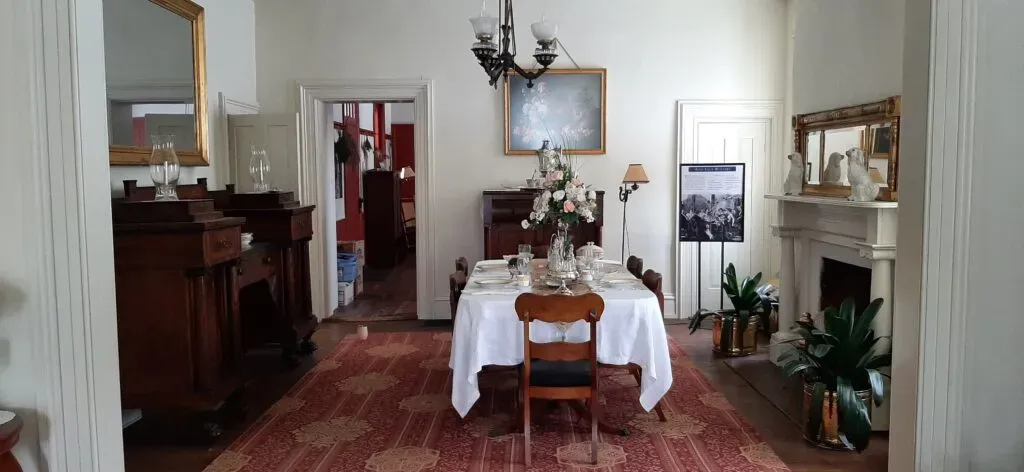
Dining Room
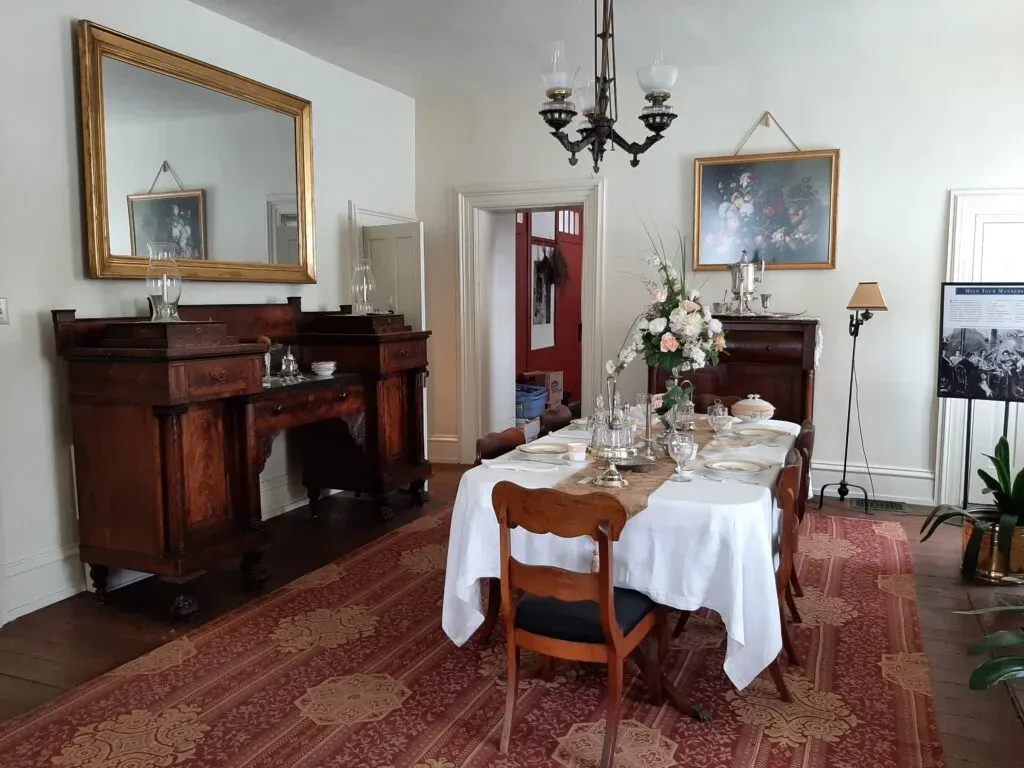
Dining Room
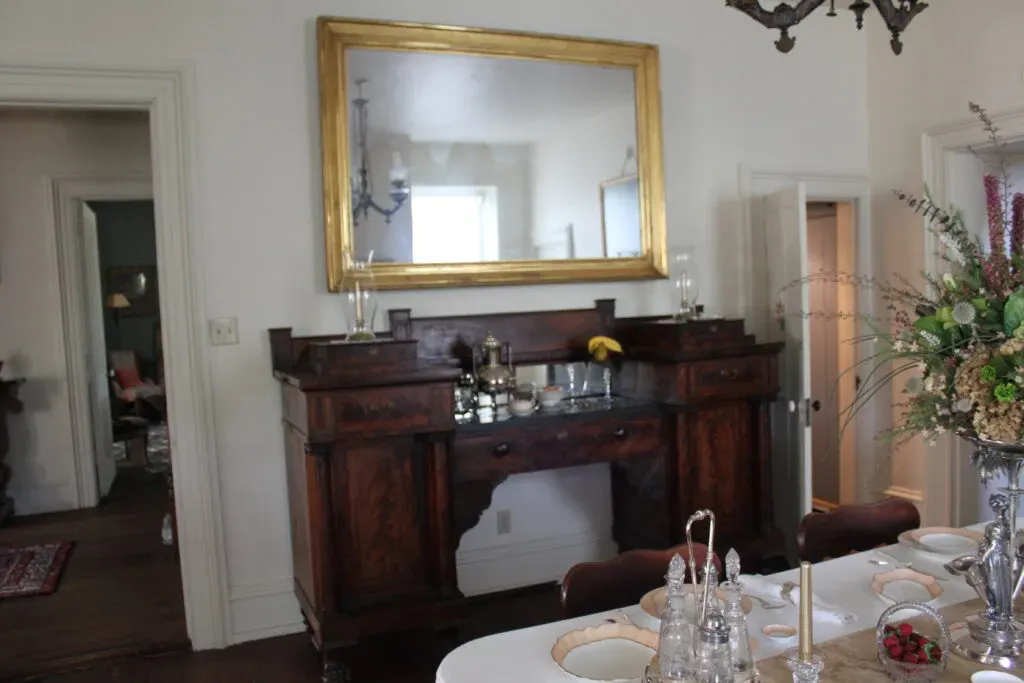
Dining Room Sideboard
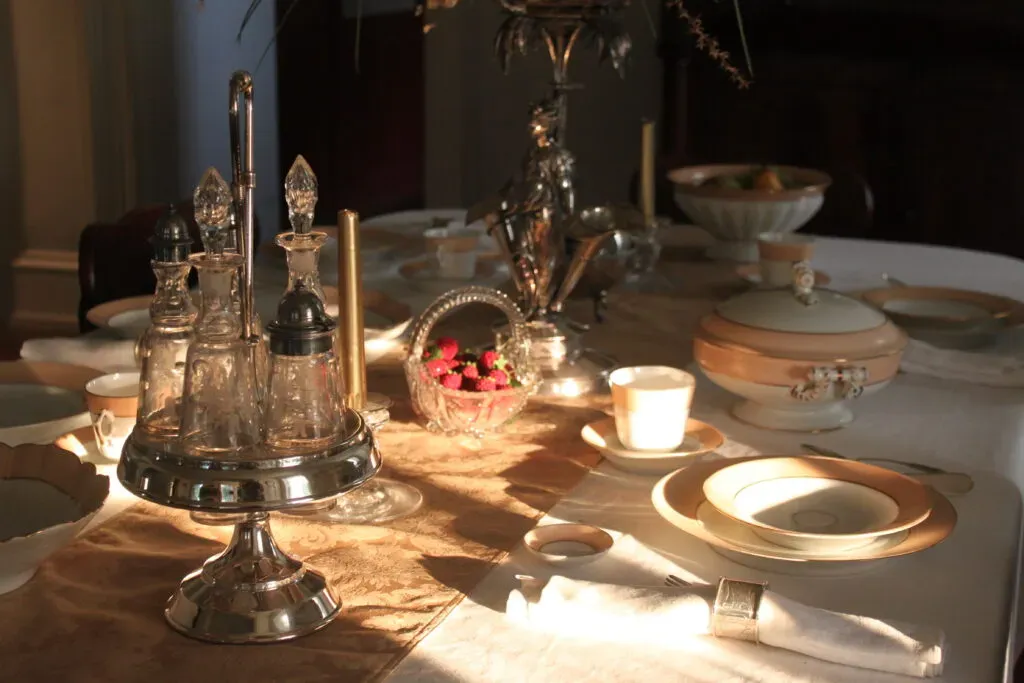
Dining Room Table
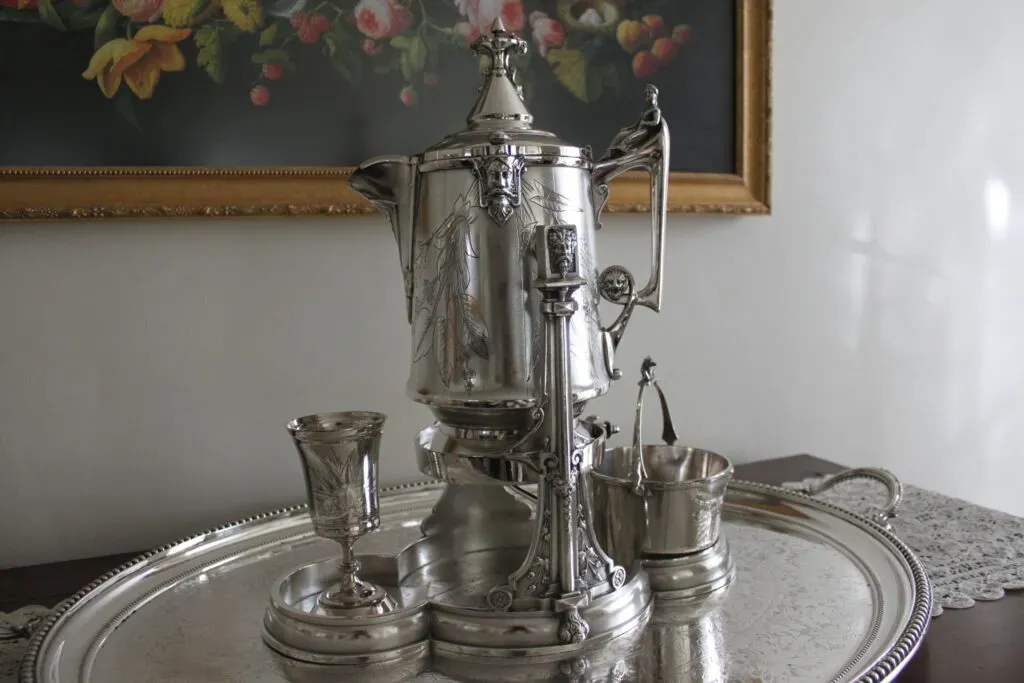
Silver Beverage Set
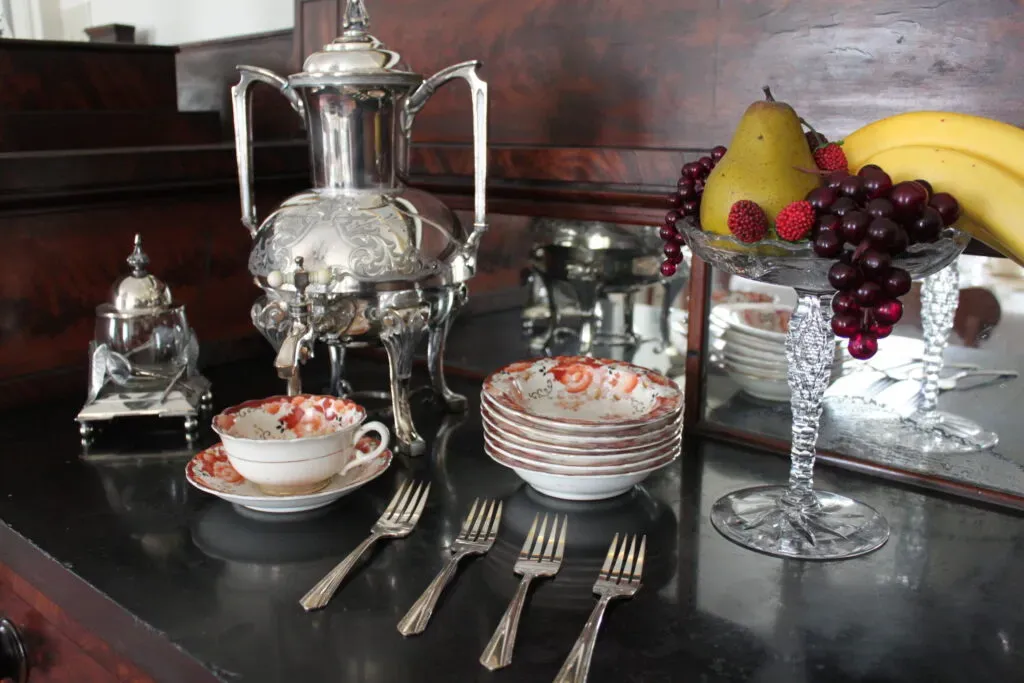
Dining Room Sideboard
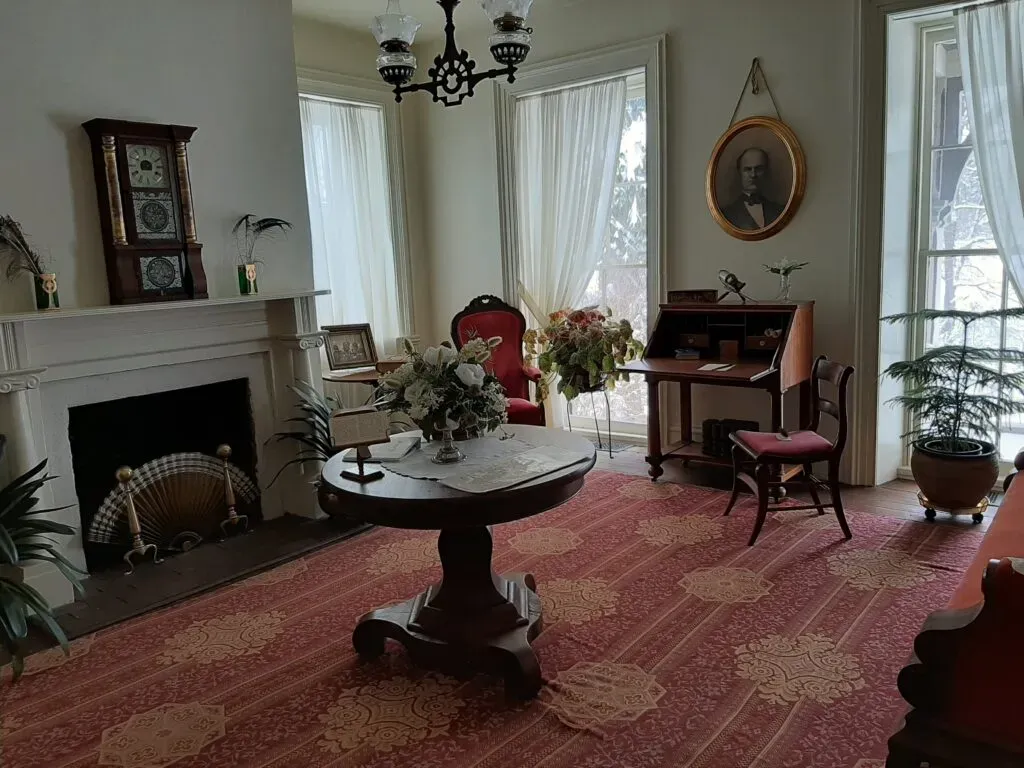
Founders Room
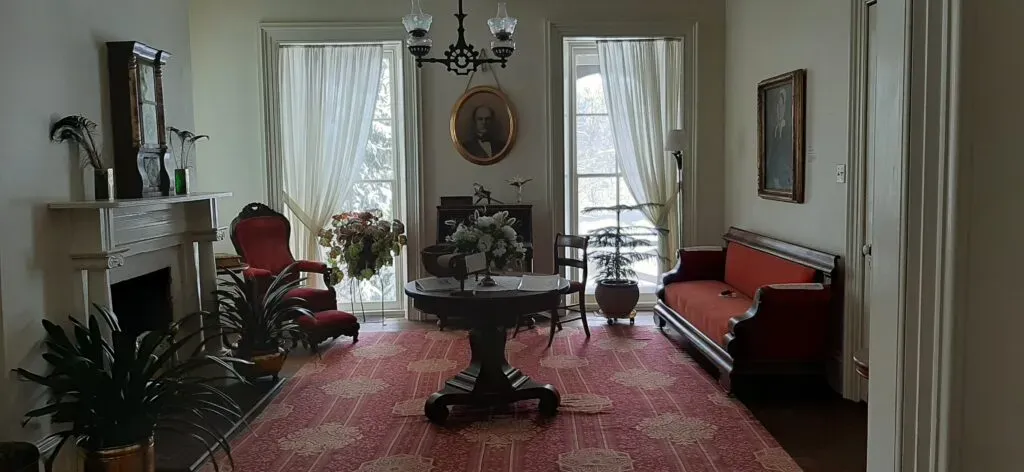
Founders Room 2
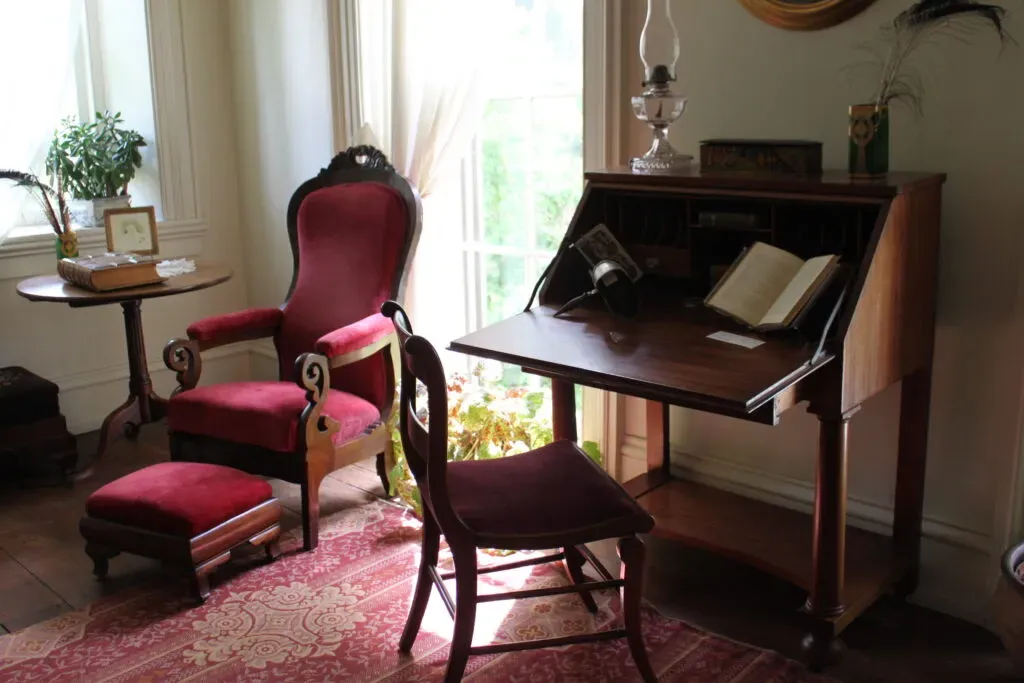
Founders Room Desk
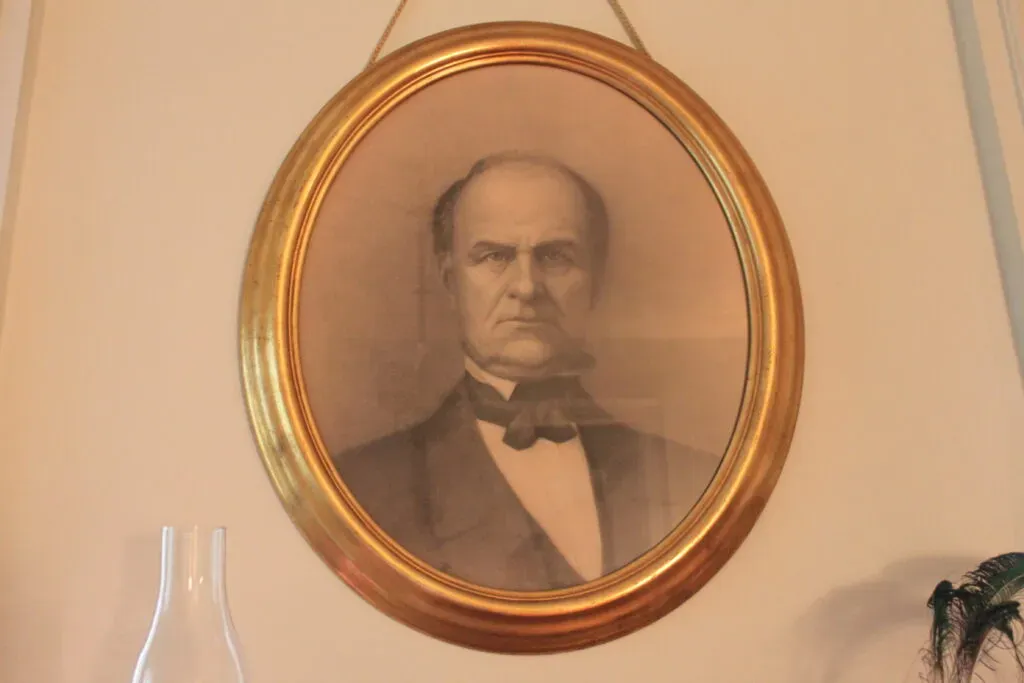
Founders Room James Irvin
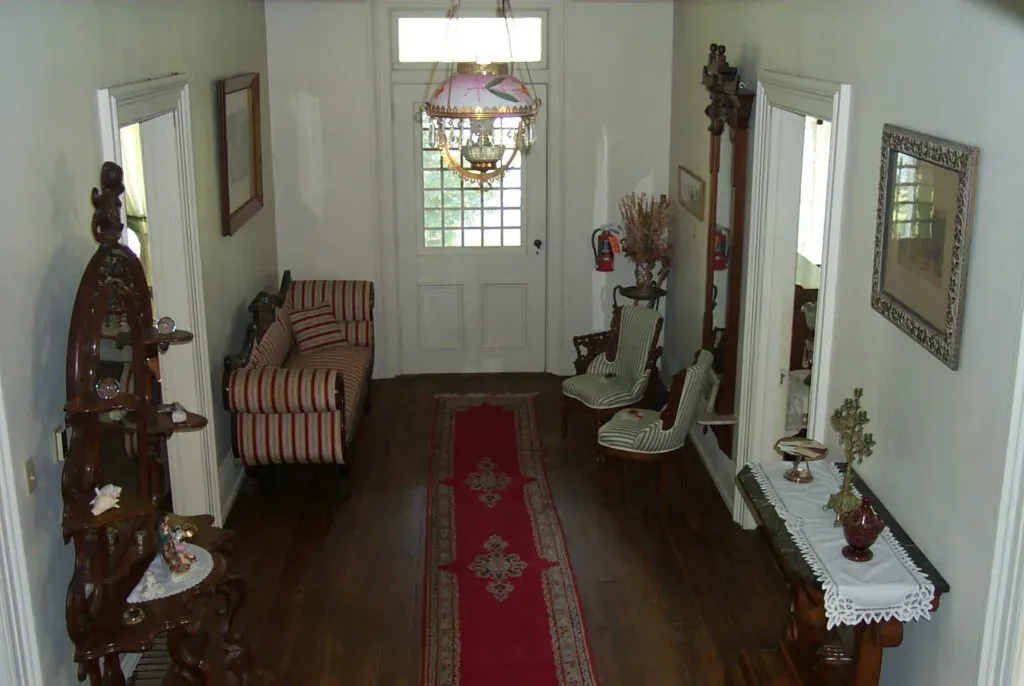
Main Entry Front Hall
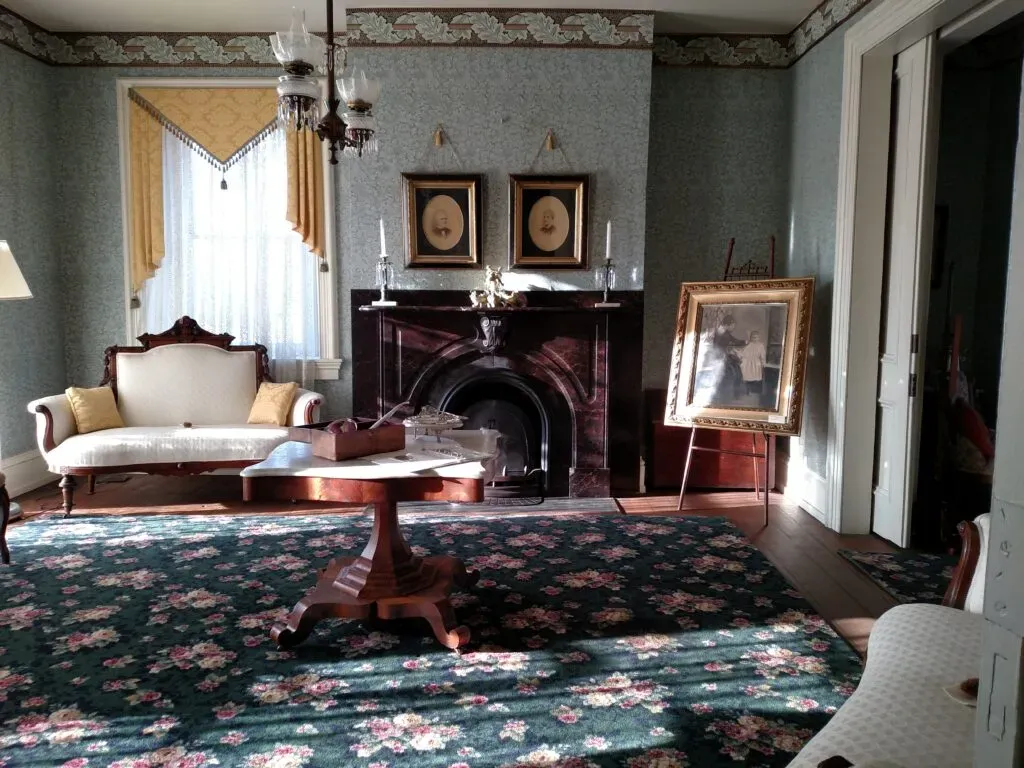
Moses Parlor
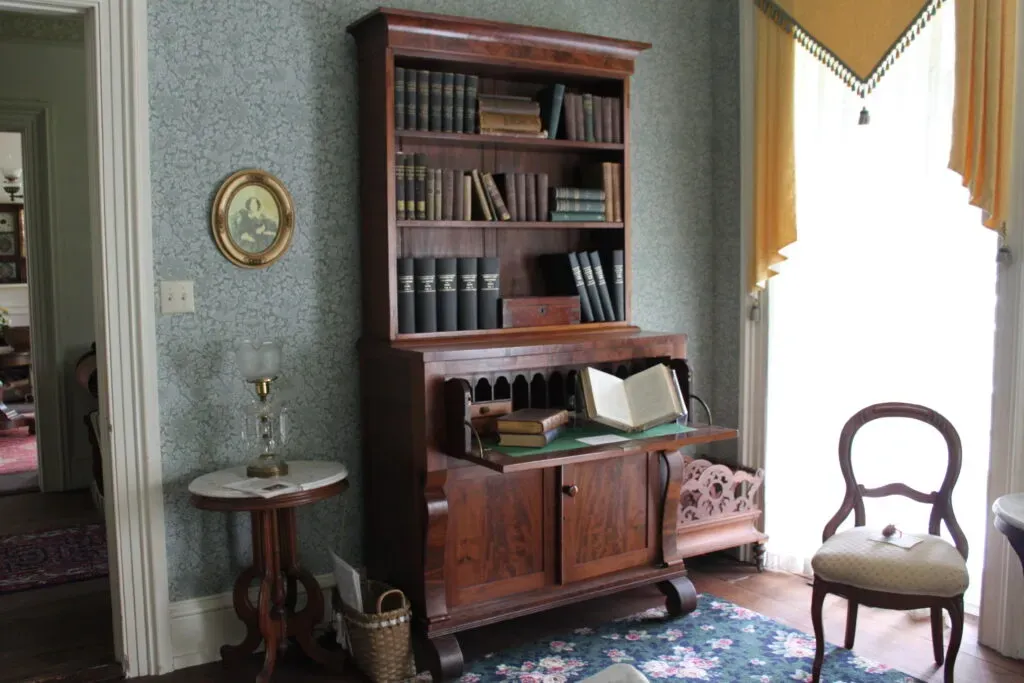
Moses Parlor Desk
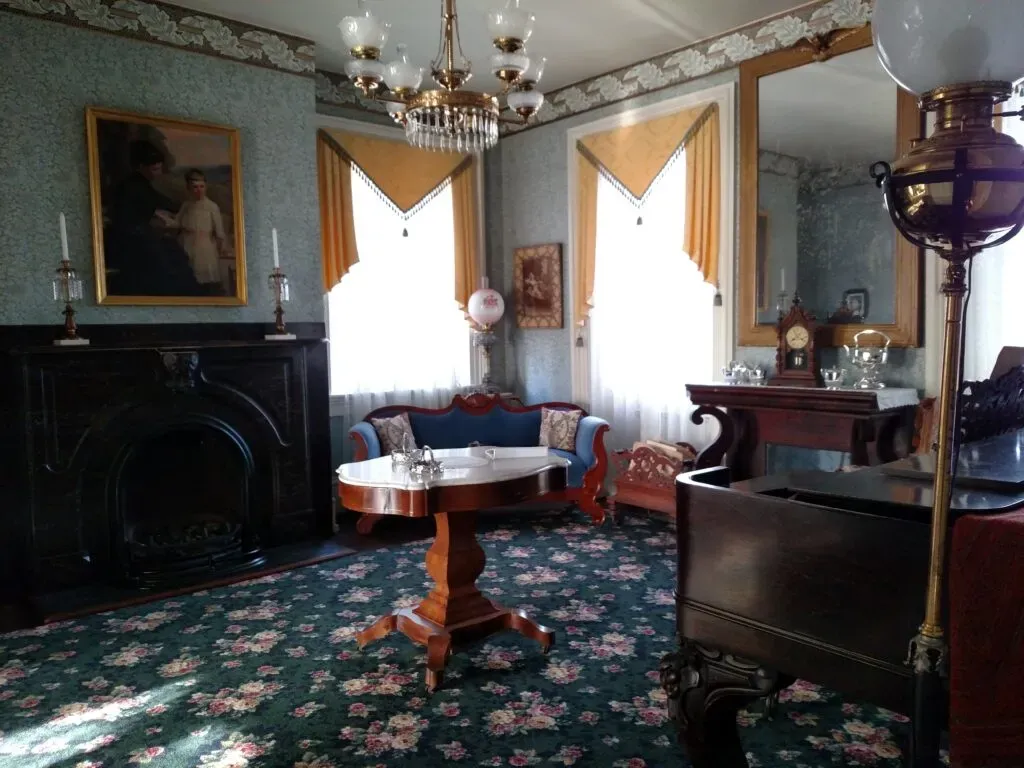
Mary's Parlor
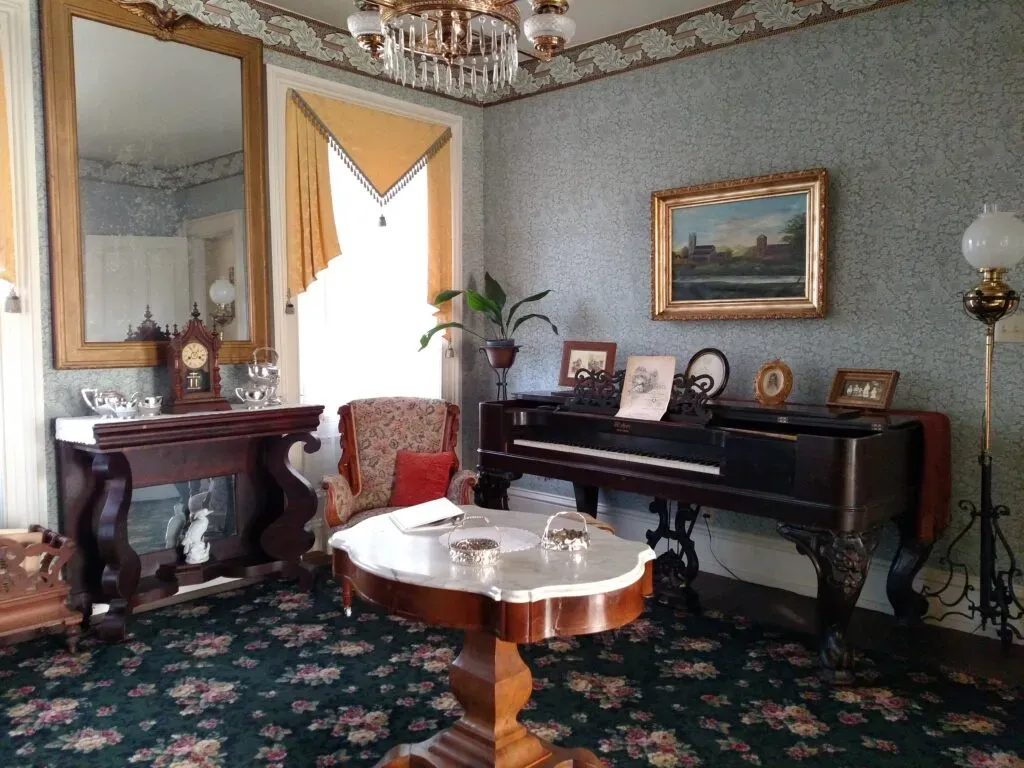
Mary's Parlor 2
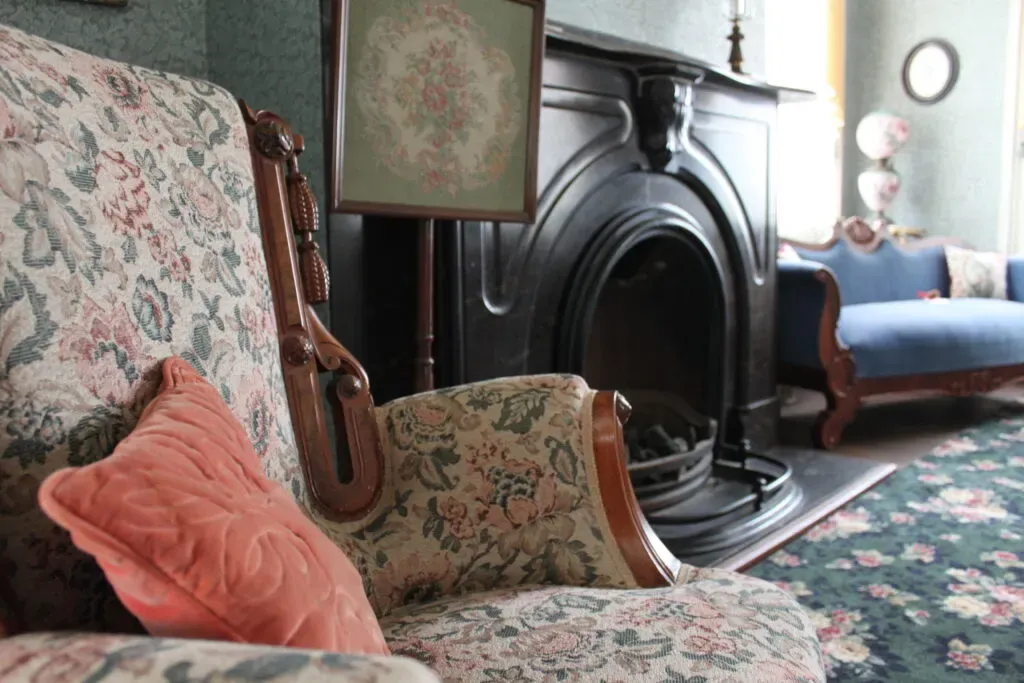
Mary's Parlor Fireplace
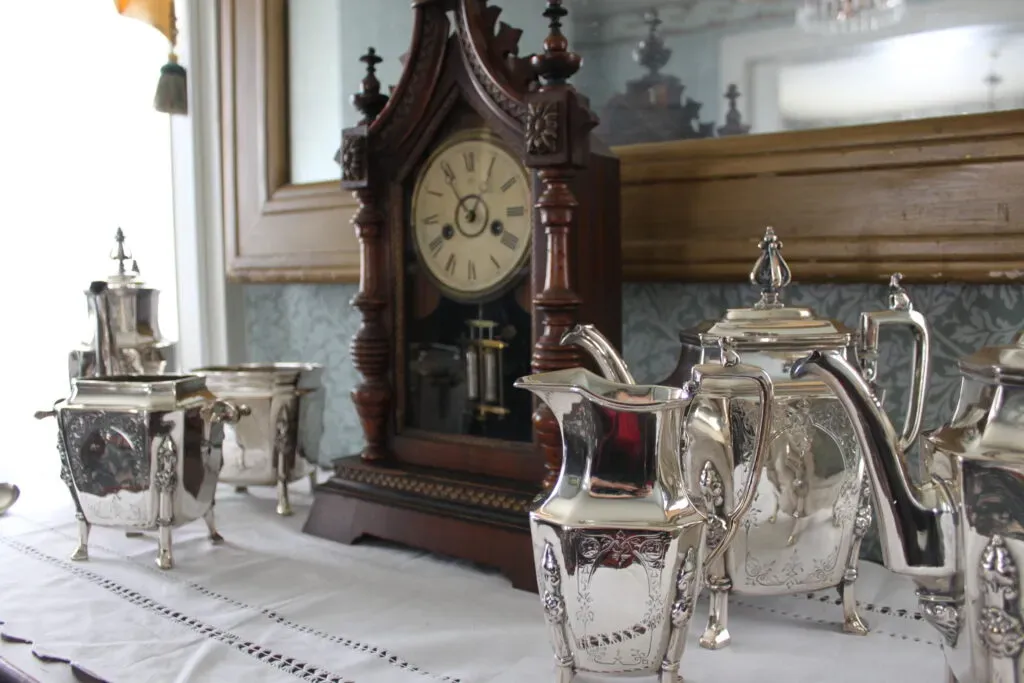
Mary's Parlor Tea Service
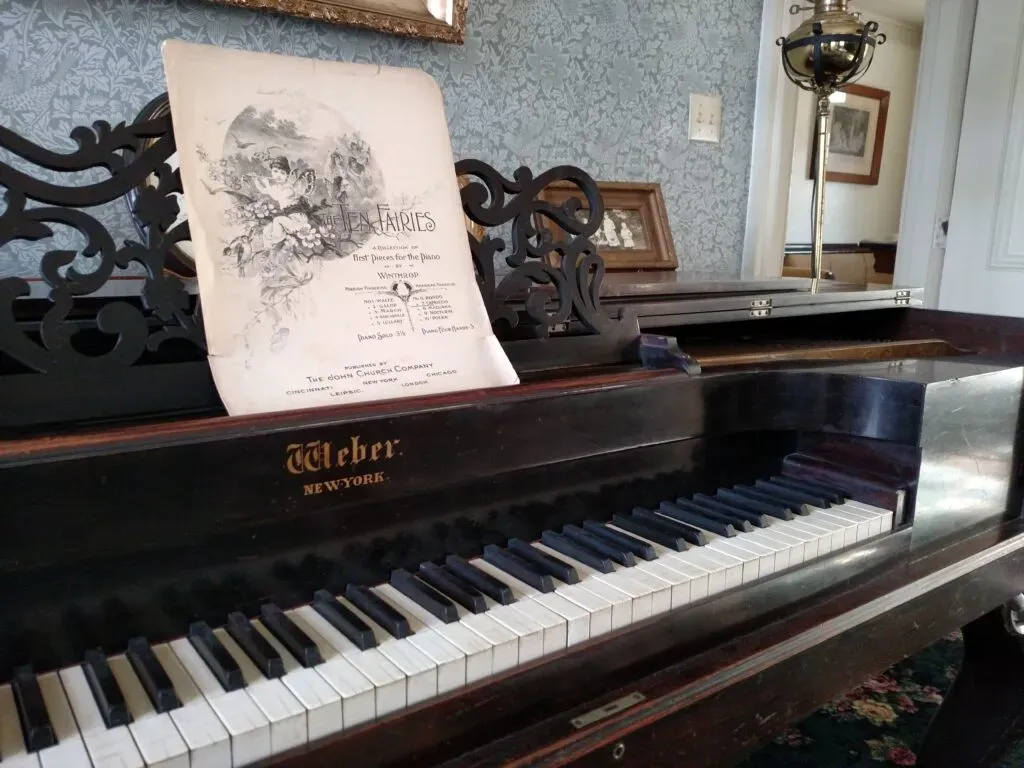
Weber Square Grand Piano
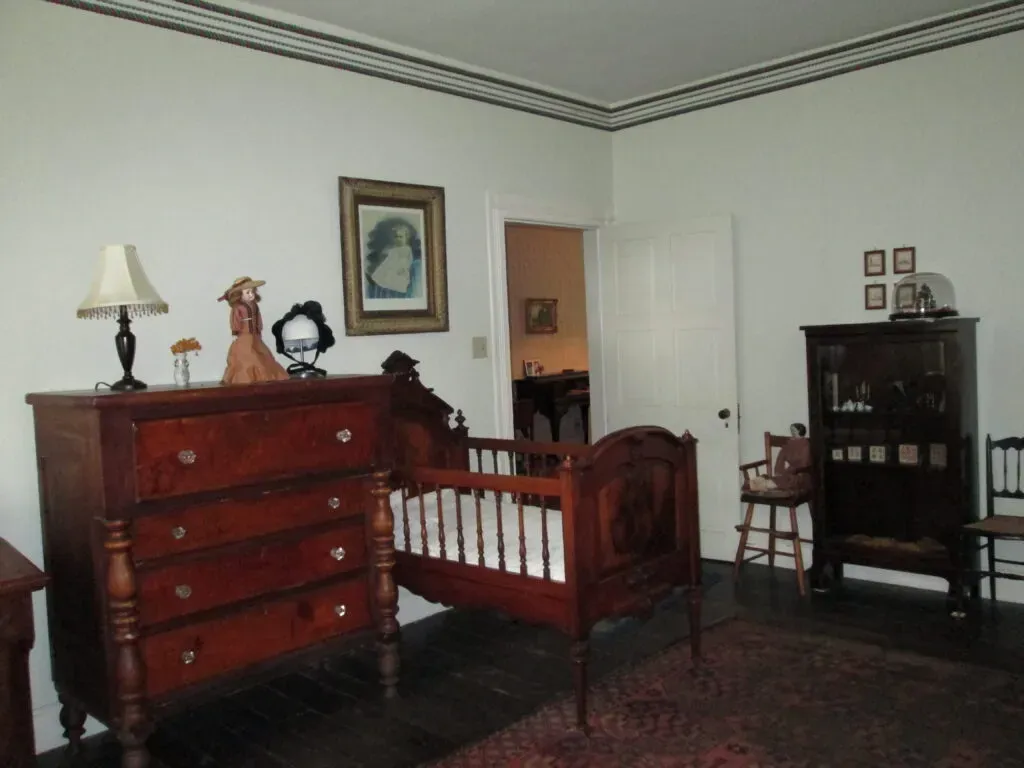
Children's Room
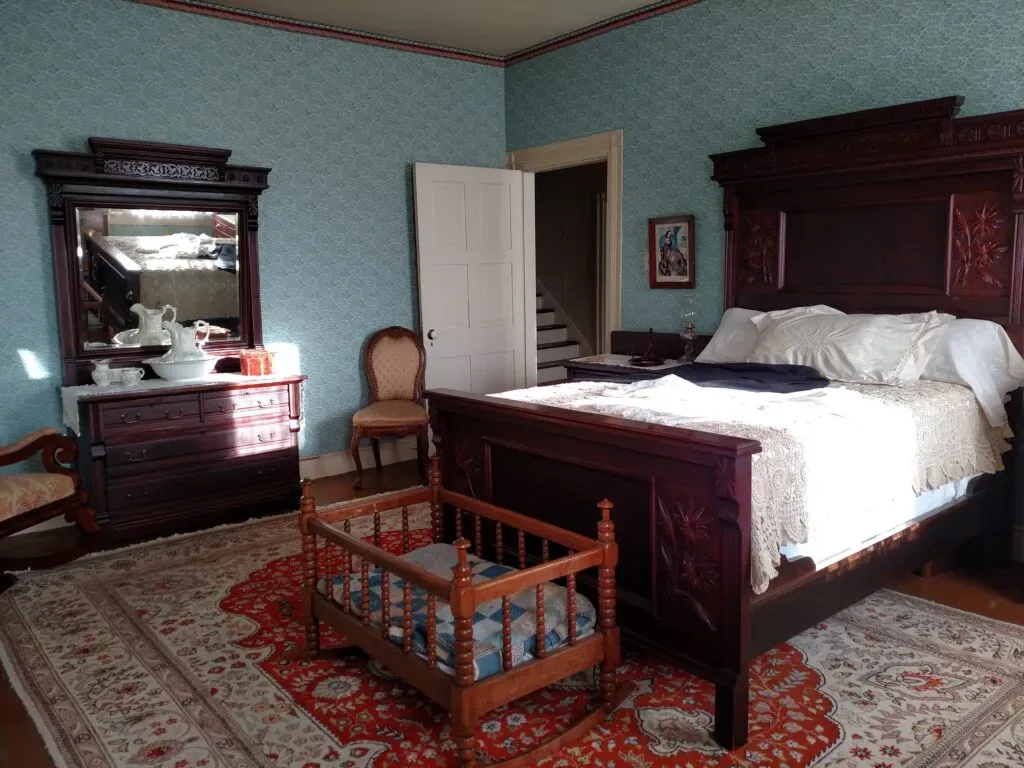
Master Bedroom
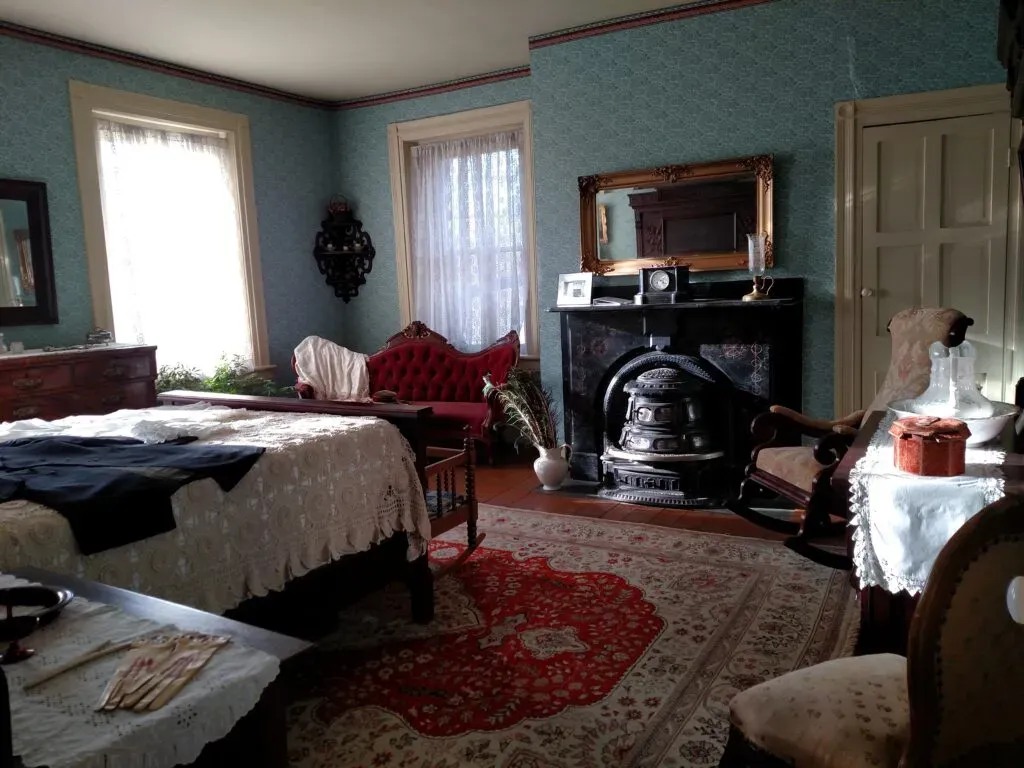
Master Bedroom 2
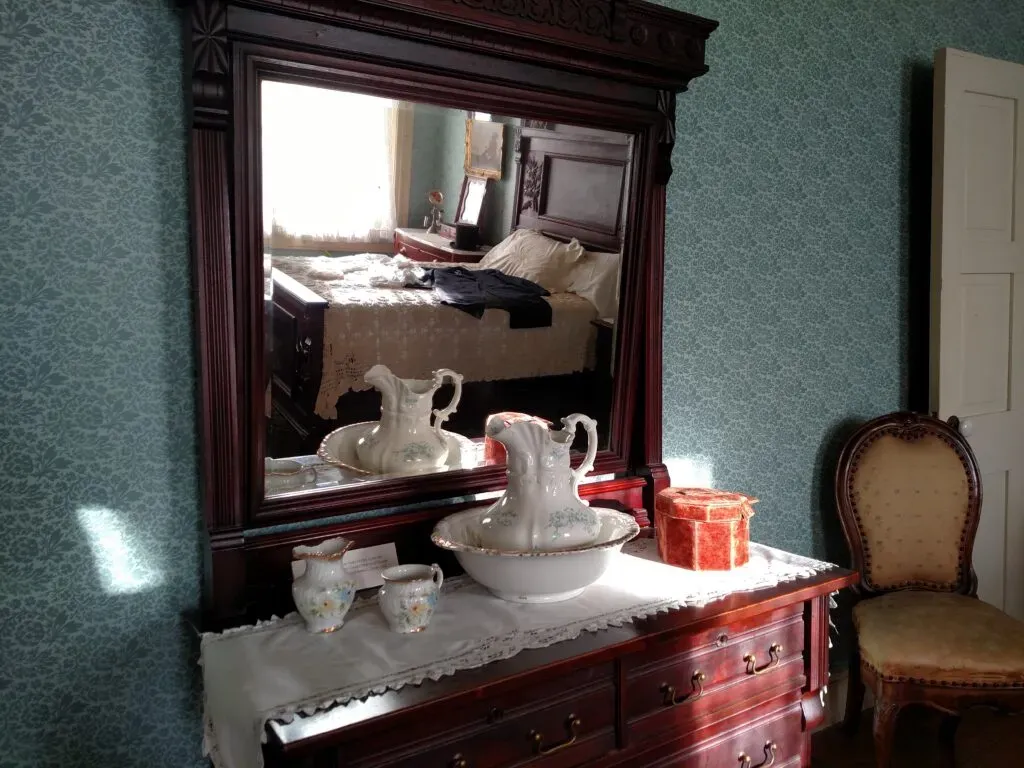
Master Bedroom Dresser
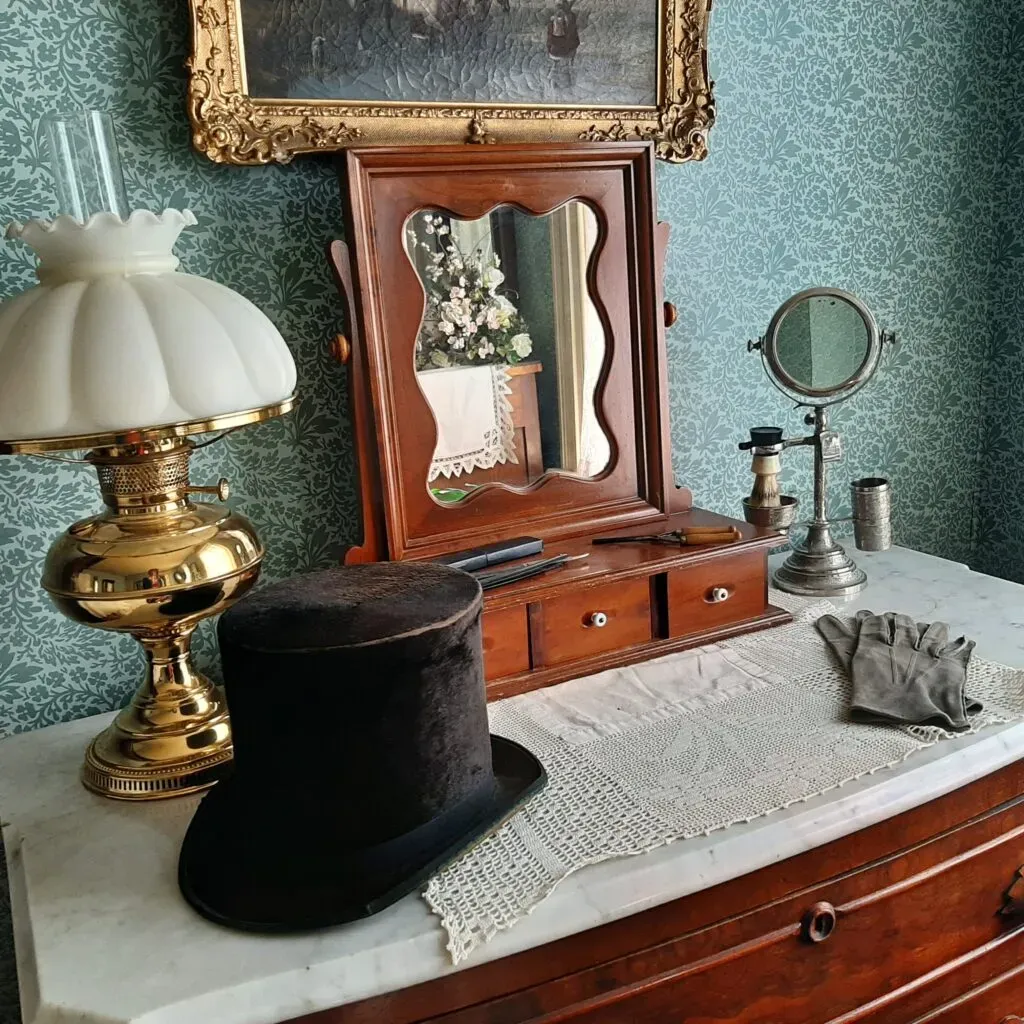
Master Bedroom Shaving Set
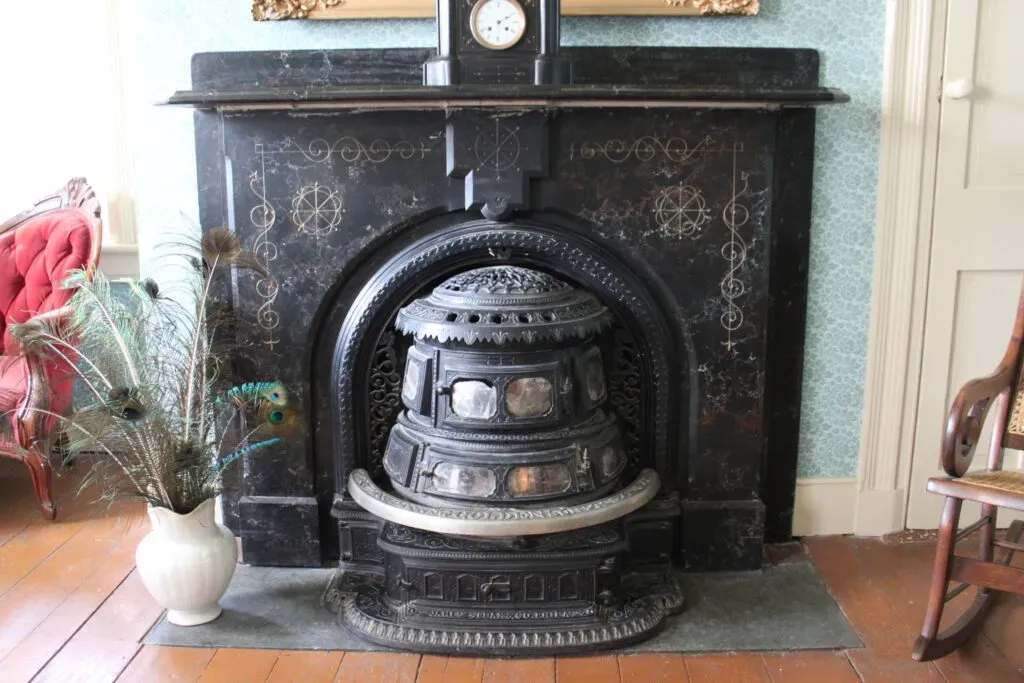
Master Bedroom Fireplace Stove
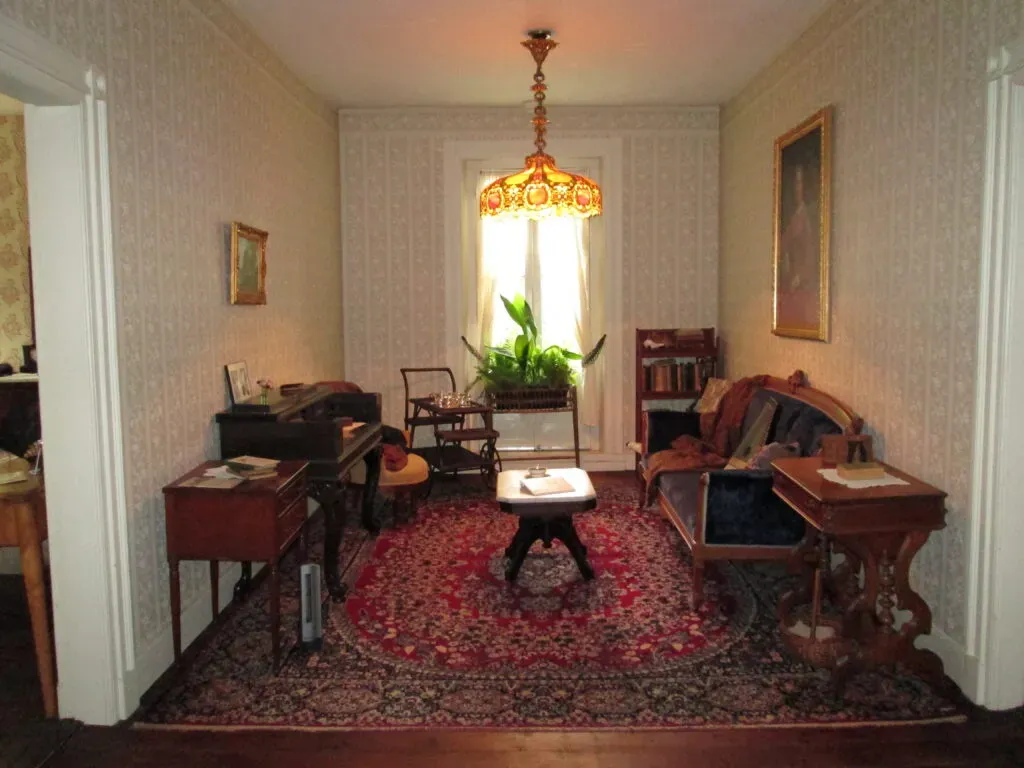
Second Floor Sitting Area
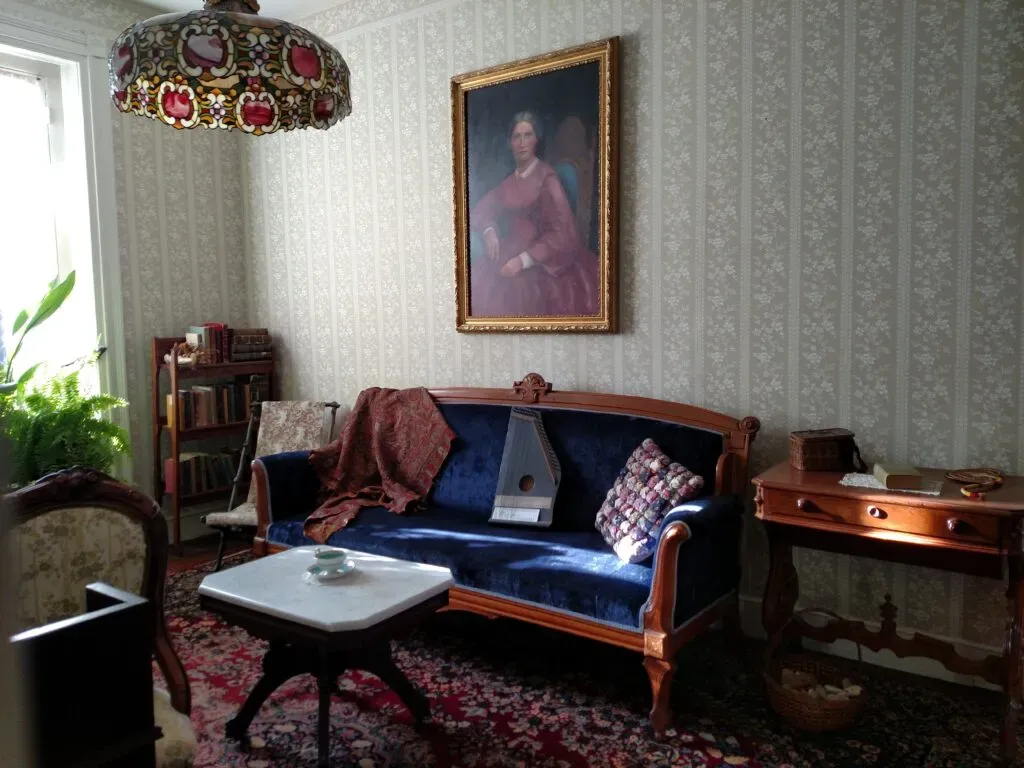
Sitting Area 2
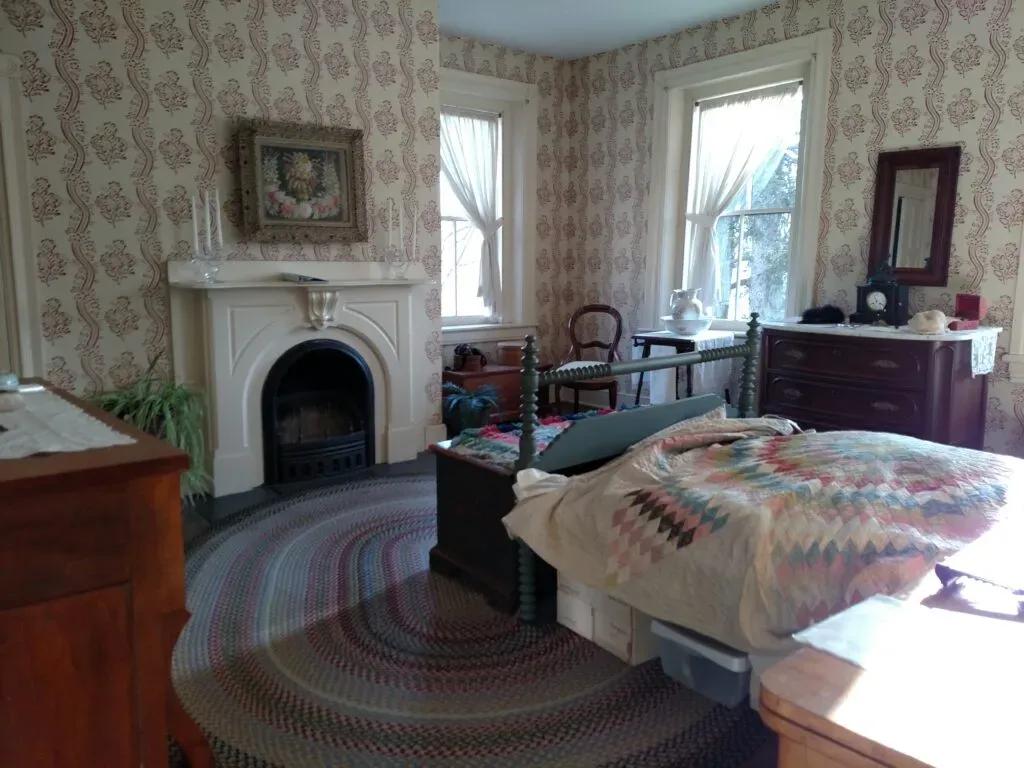
Southeast Bedroom
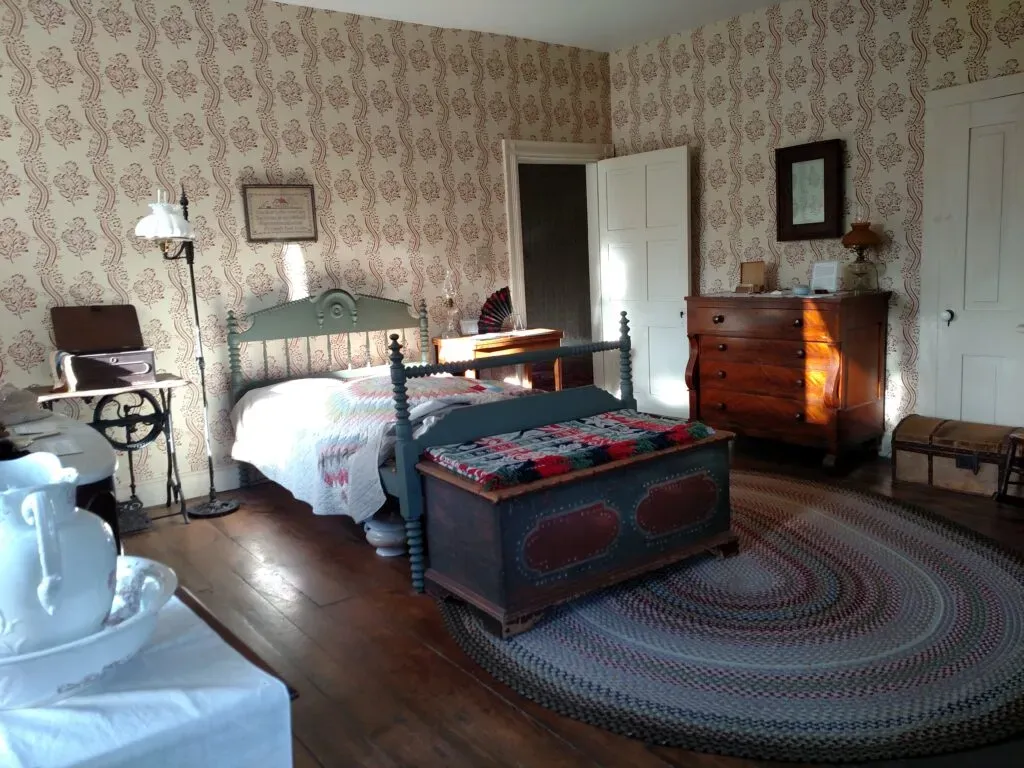
Southeast Bedroom 2
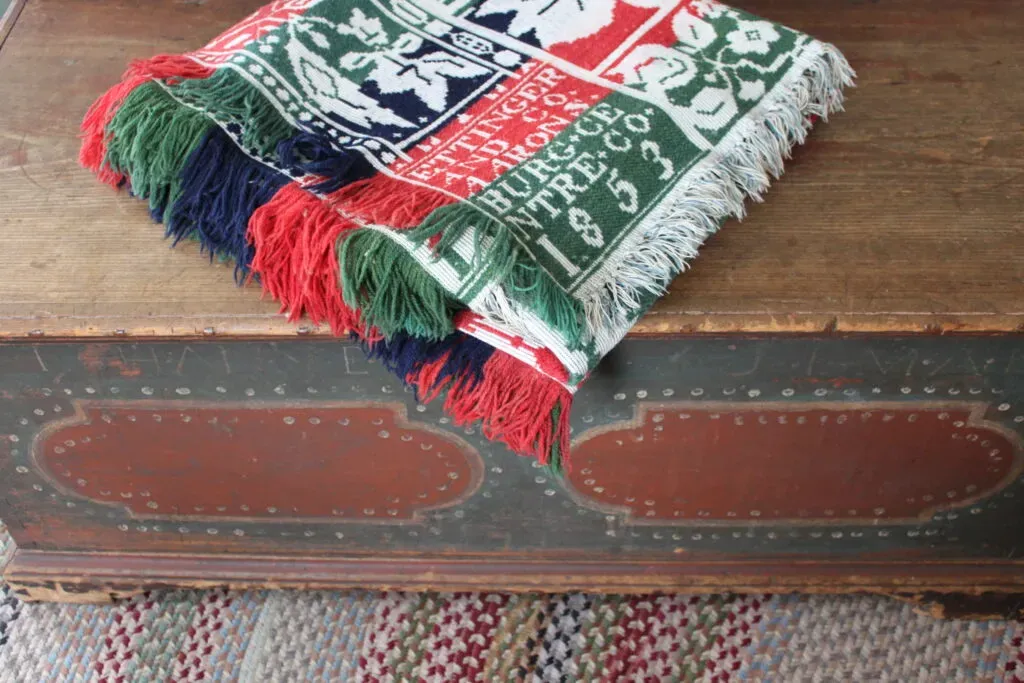
Southeast Bedroom Blanket Chest
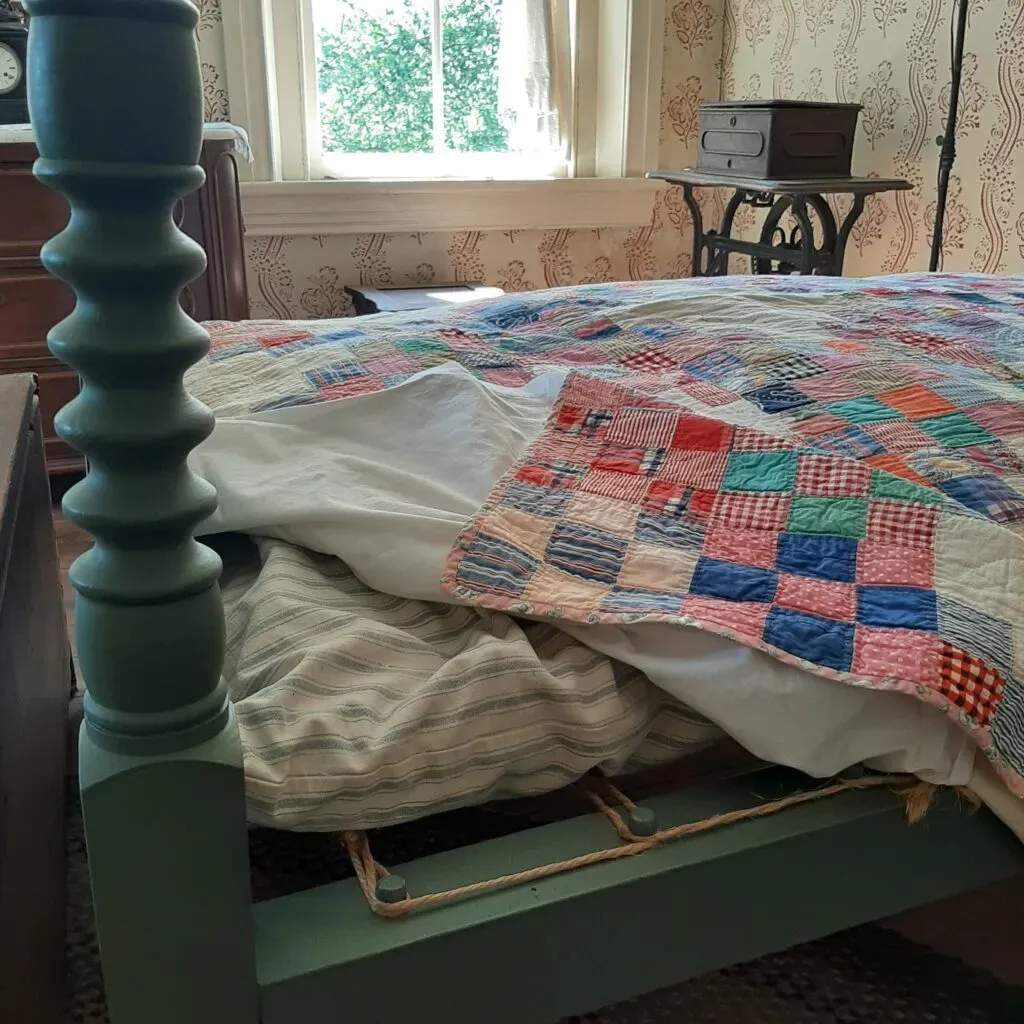
Southeast Bedroom Rope Bed
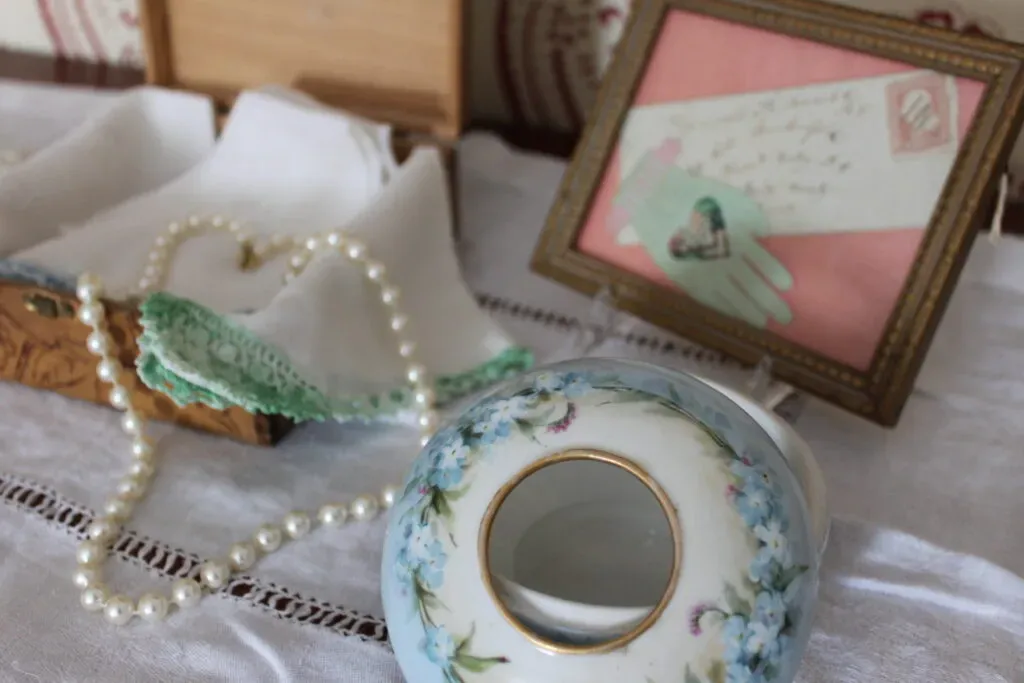
Southeast Bedroom Dresser Top
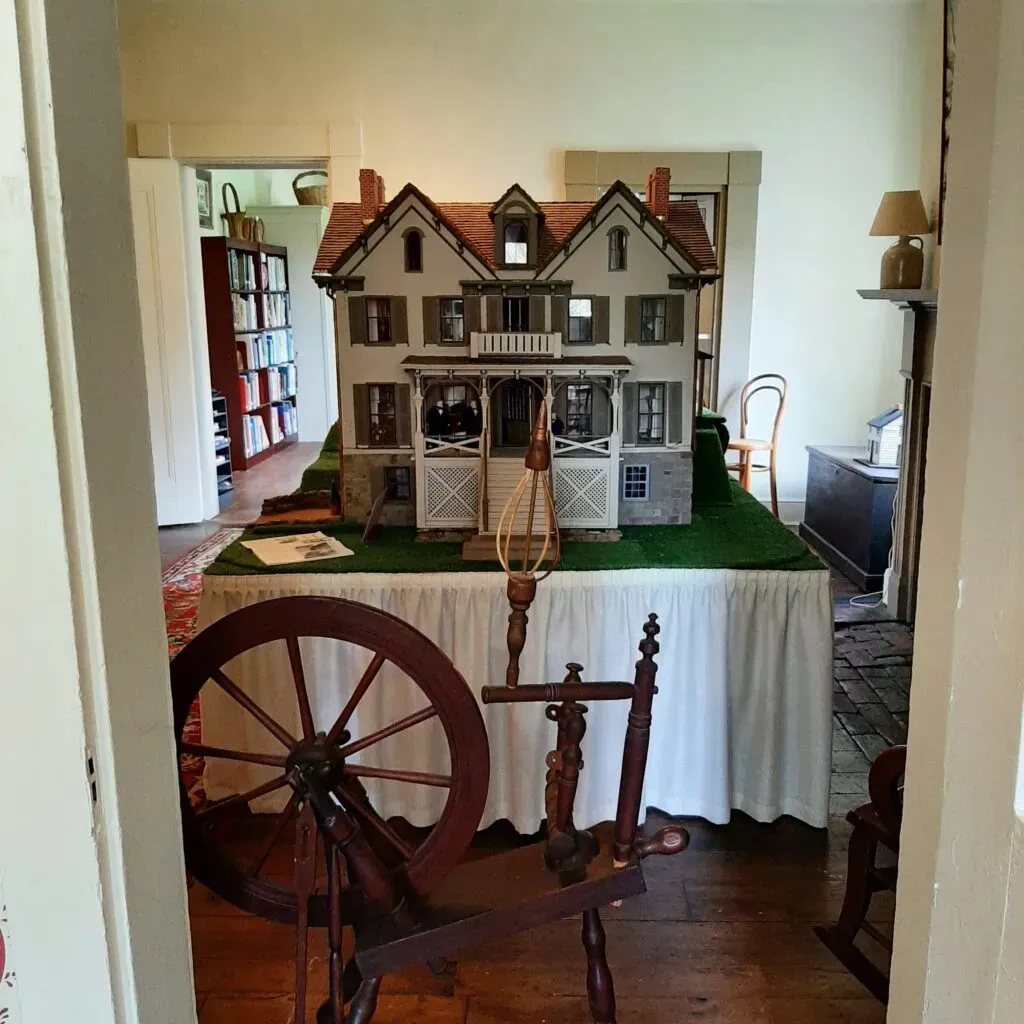
Mini Mansion Exhibit Front
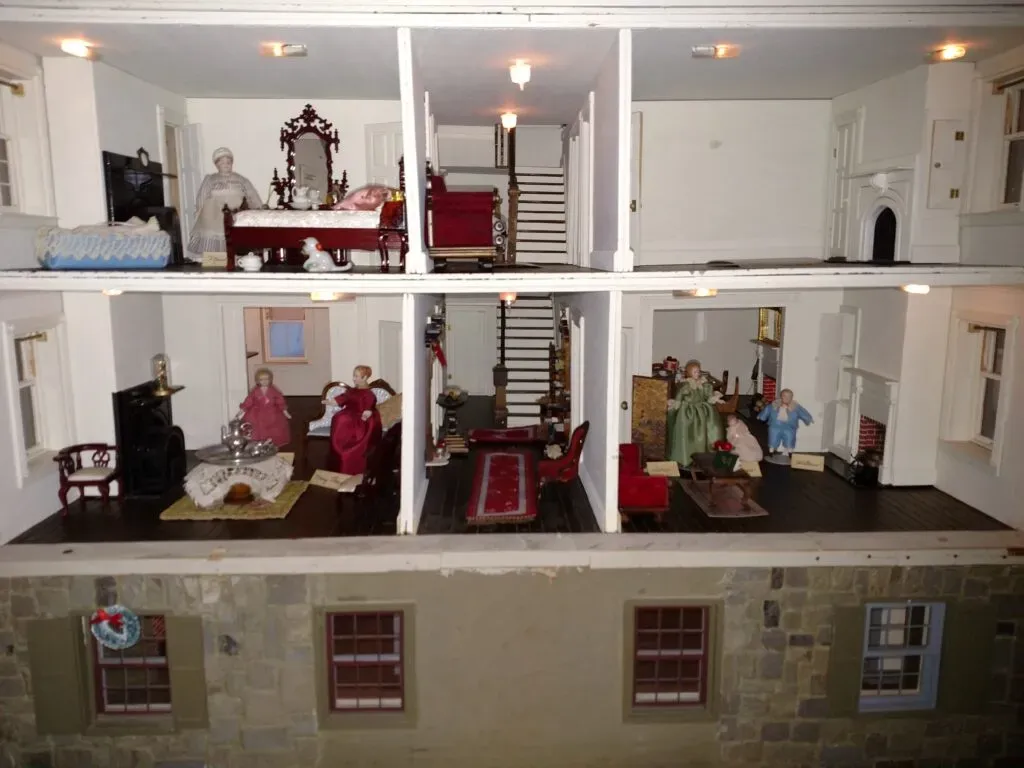
Mini Mansion Exhibit Front Interior
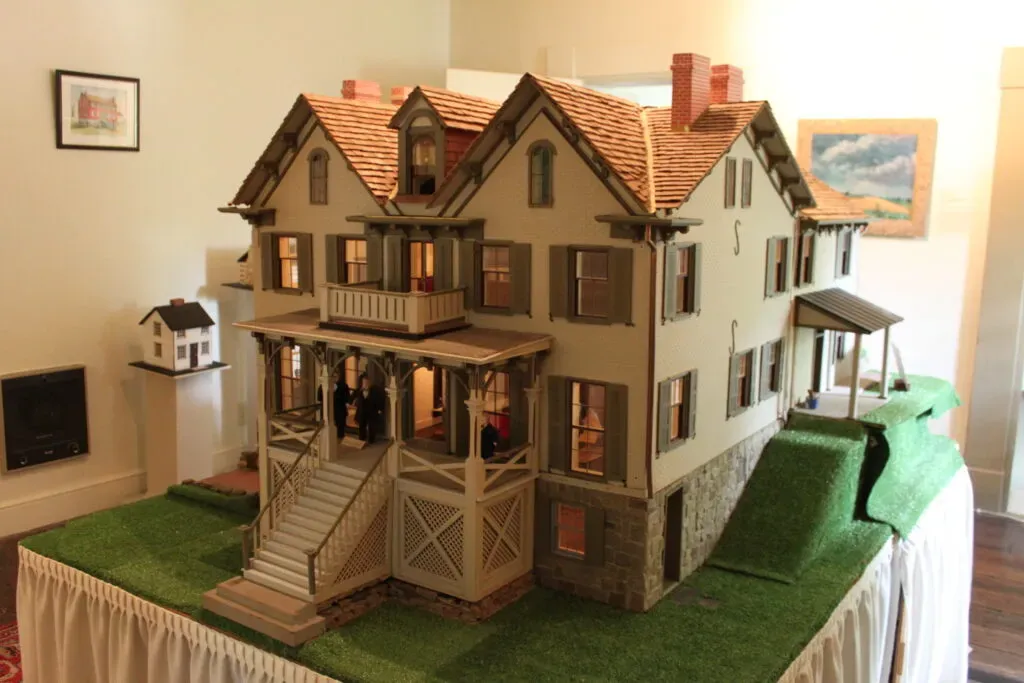
Mini Mansion Exhibit
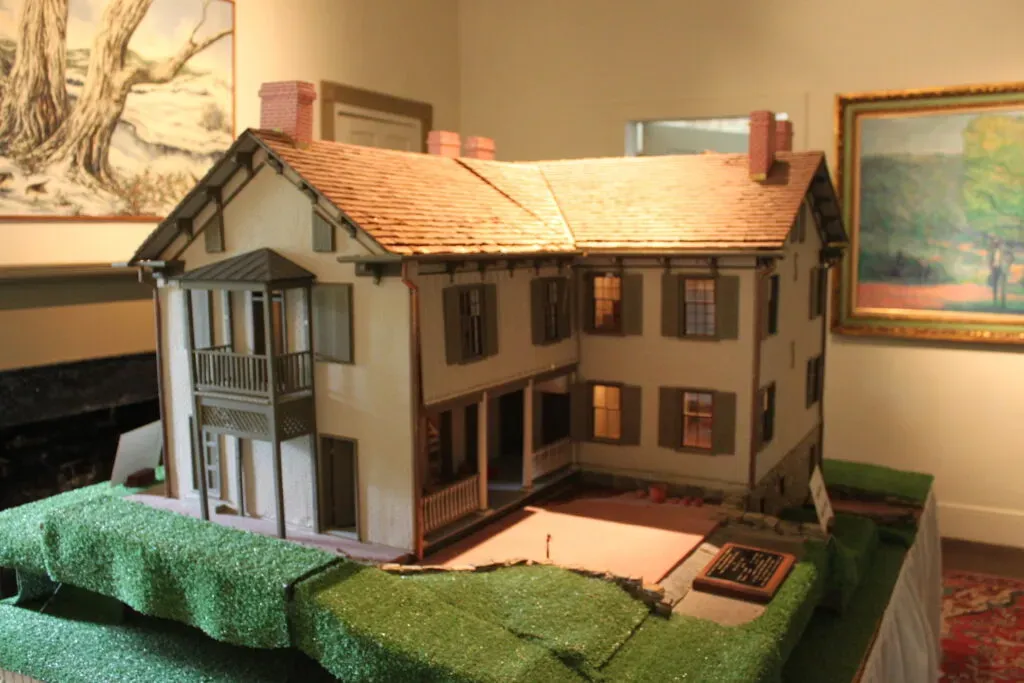
Mini Mansion Exhibit 2
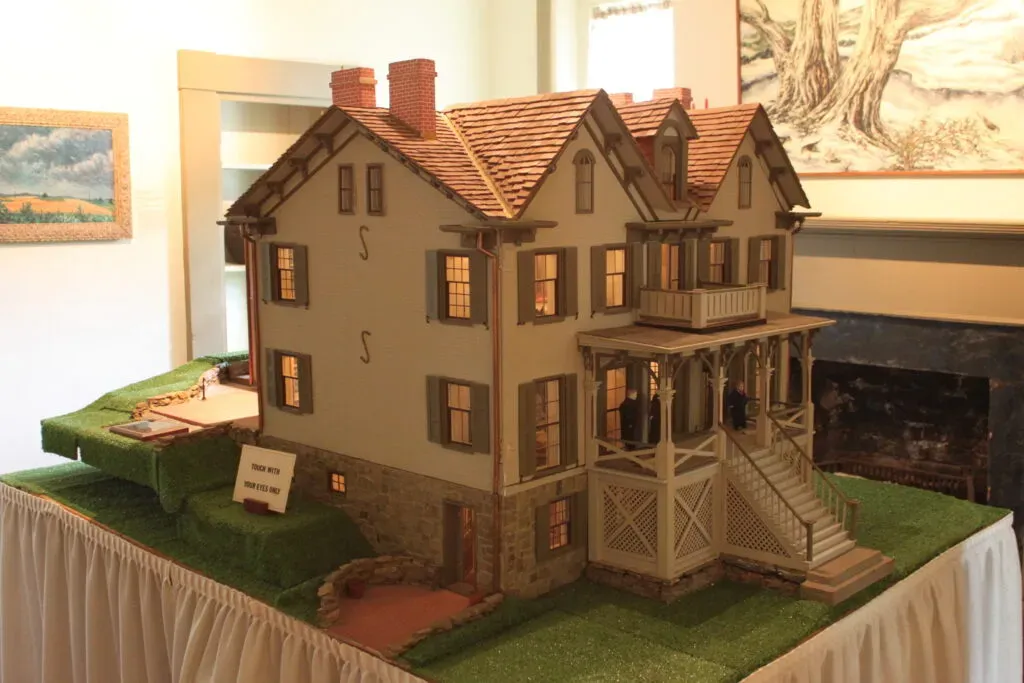
Mini Mansion Exhibit 3
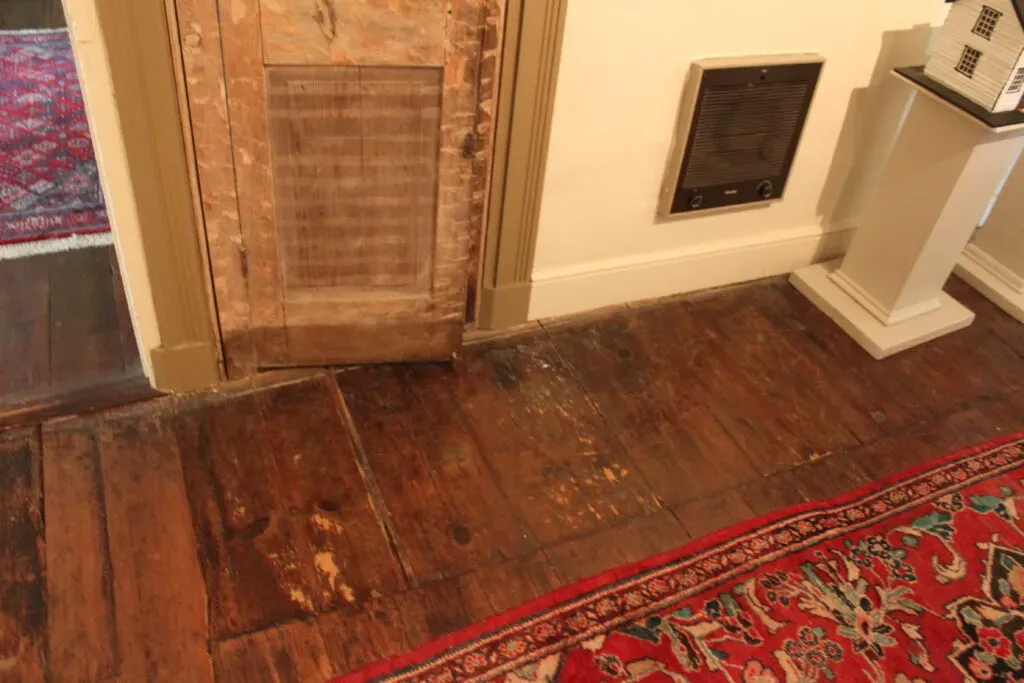
Servant door and stairs shadow
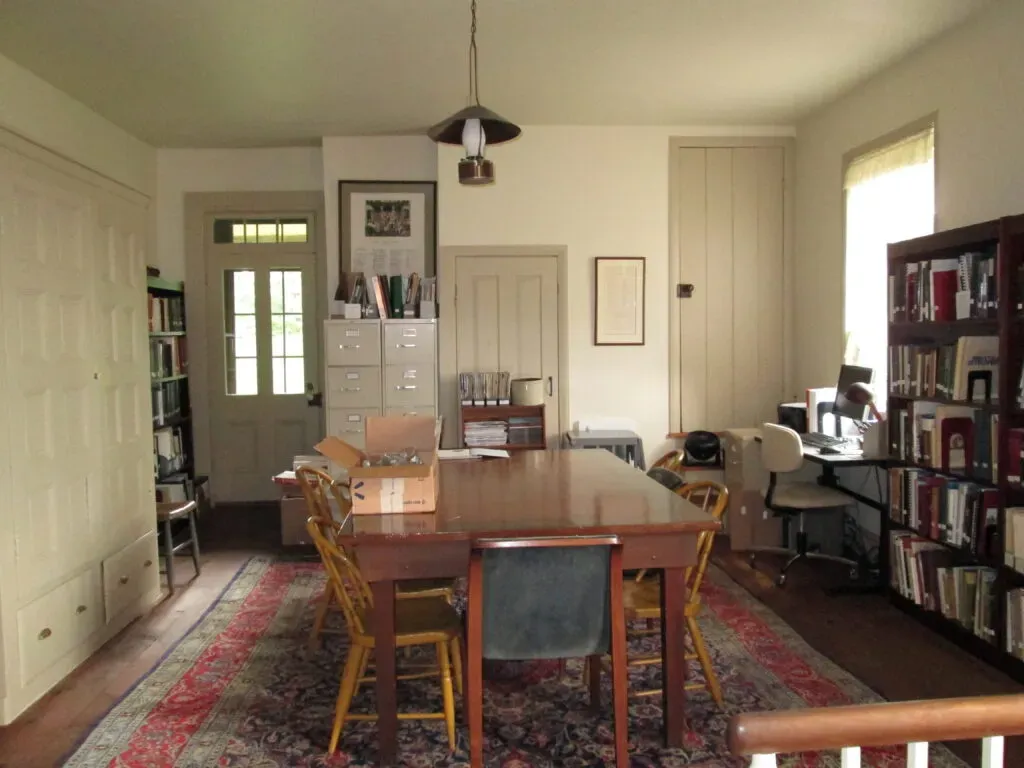
Library
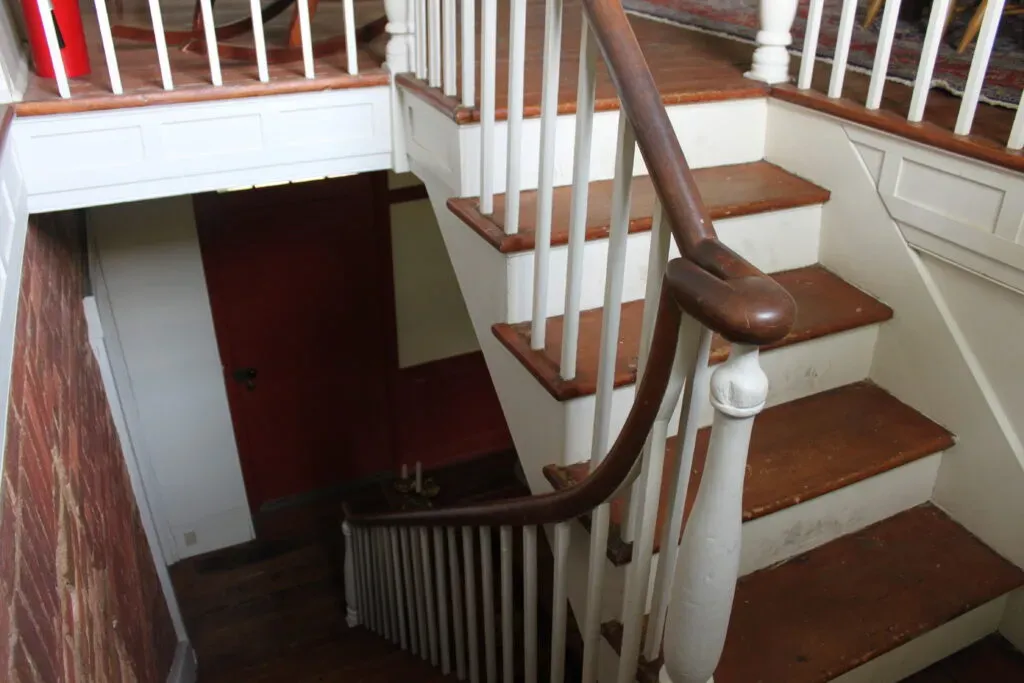
Library to Kithen Ell Stairs
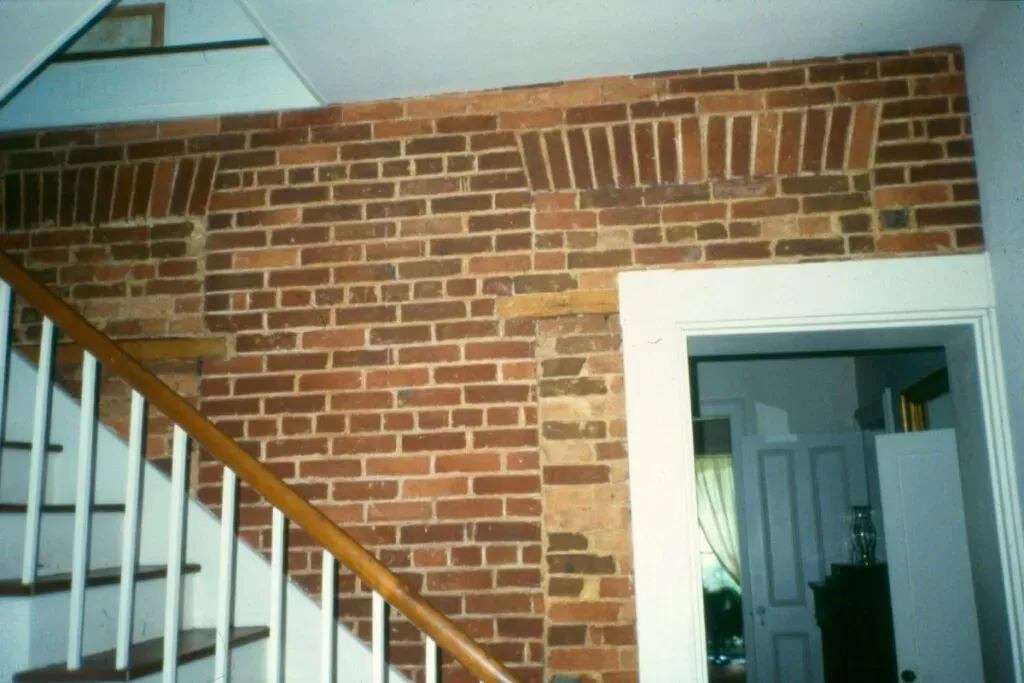
1846 Addition
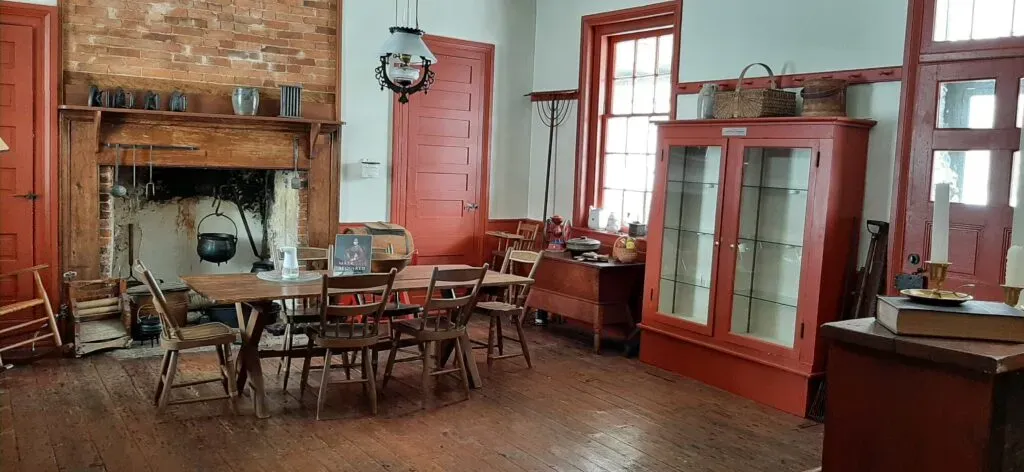
Kitchen Ell
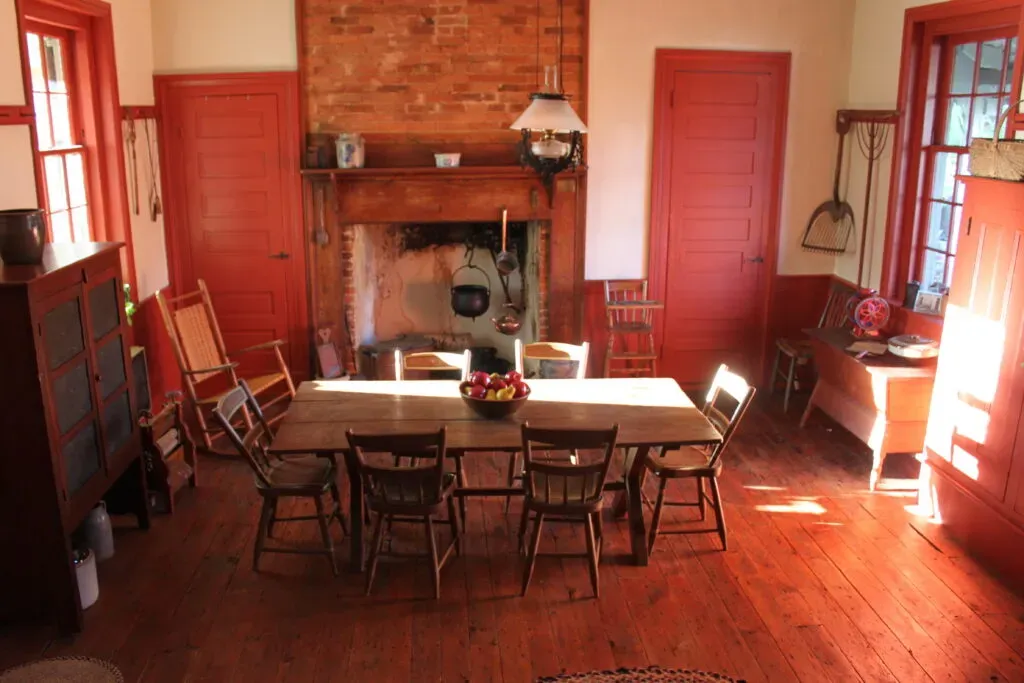
Kitchen Ell
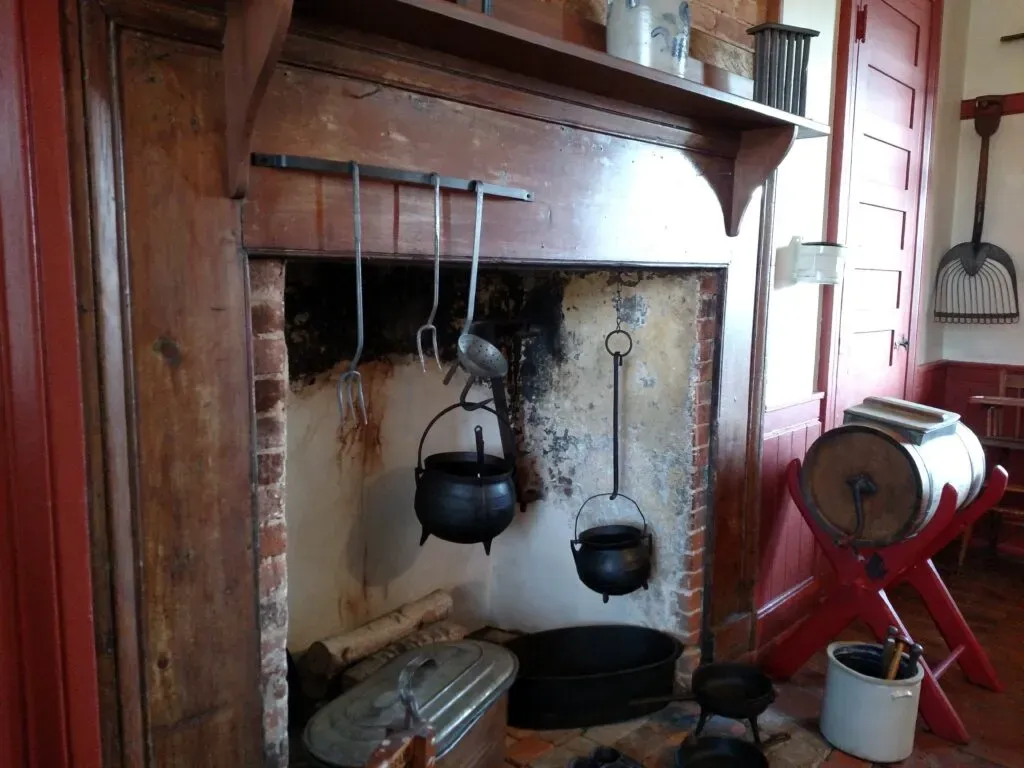
Kitchen Ell Hearth
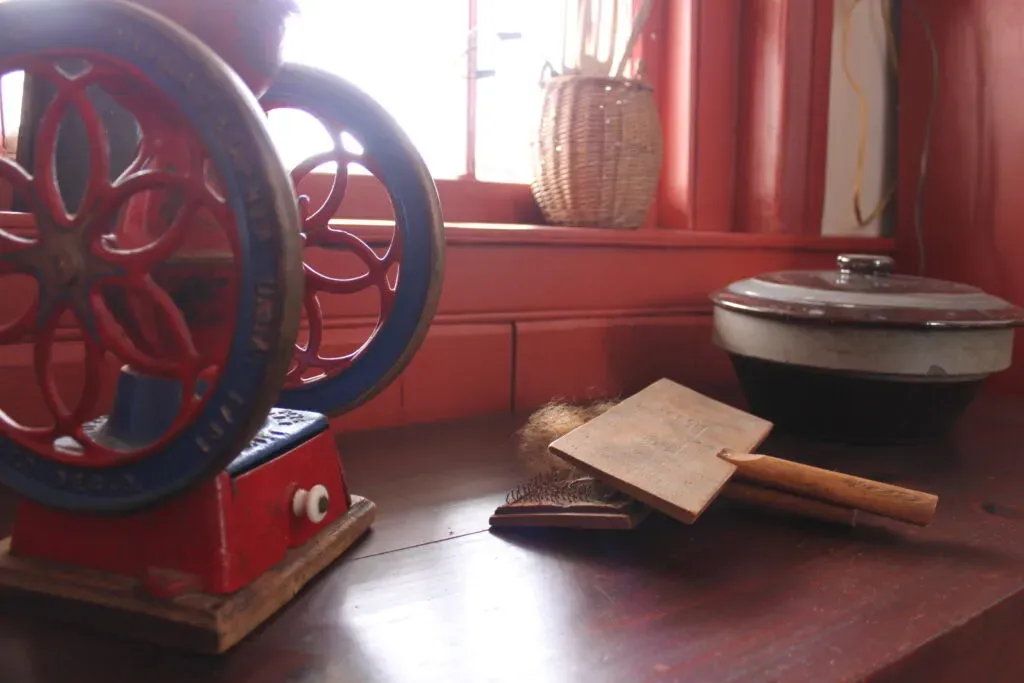
Kitchen Ell Coffee Grinder
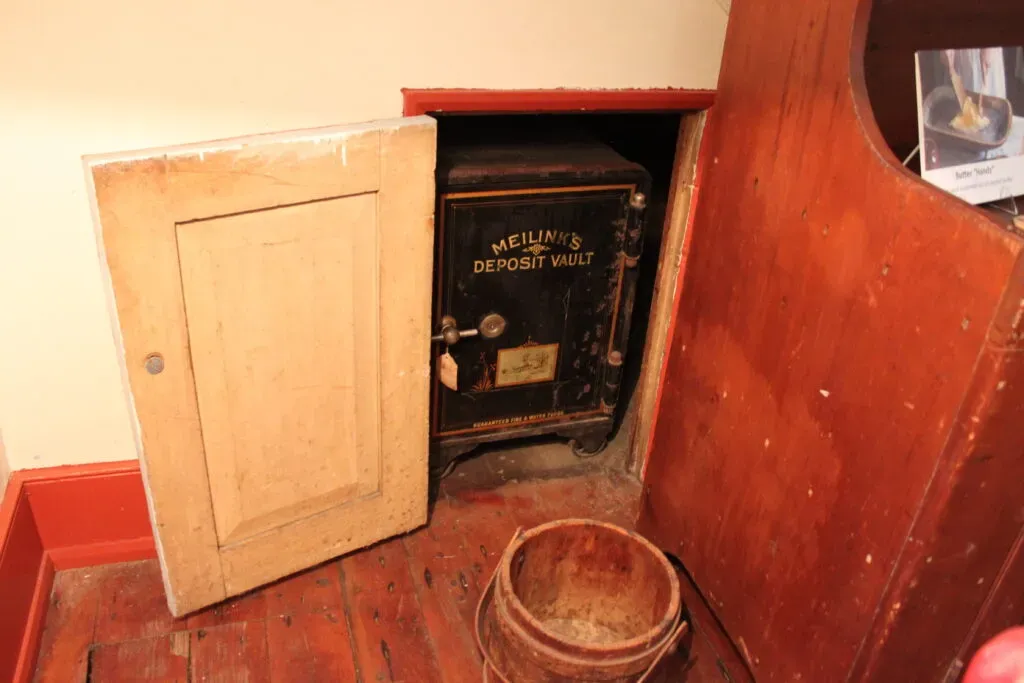
Kitchen Ell Safe
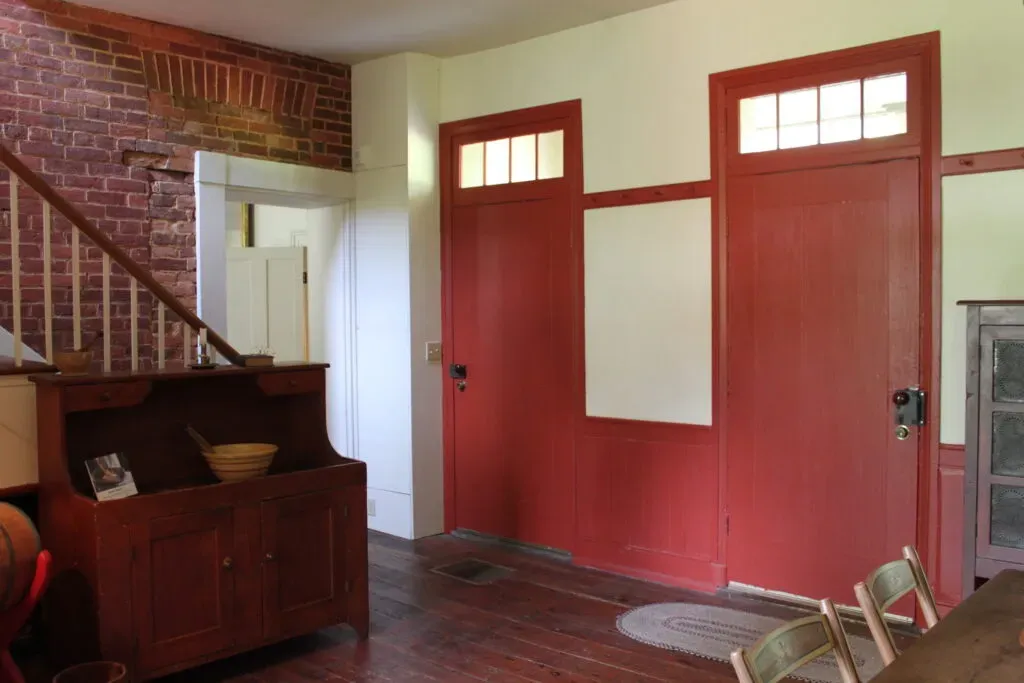
Kitchen Ell Doors
Penn State birthplace honored with historical marker
The birthplace of Penn State was honored with the dedication of a historical marker, unveiled on Jan. 11, 2024, by the Centre County Historical Society and Penn State President Neeli Bendapudi. In 1855, the first steps to establish a school in Centre County laid the groundwork for the future university. The marker sits on the grounds of the Centre Furnace Mansion in State College. Credit: WPSU, Kristian Berg.
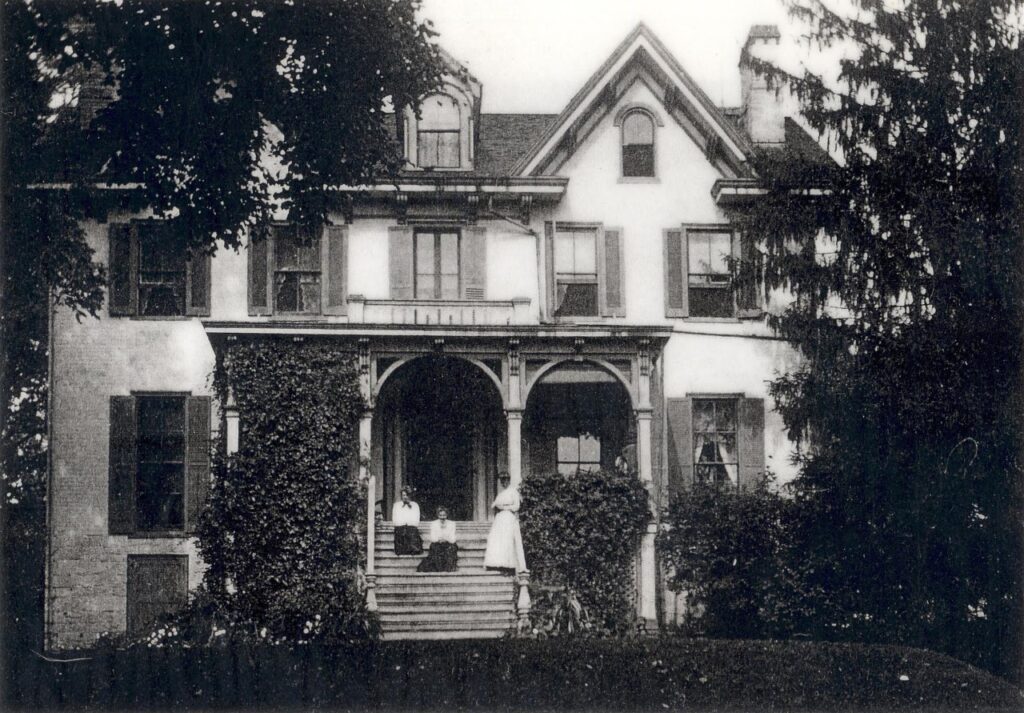
Centre County Architecture Guide to Styles
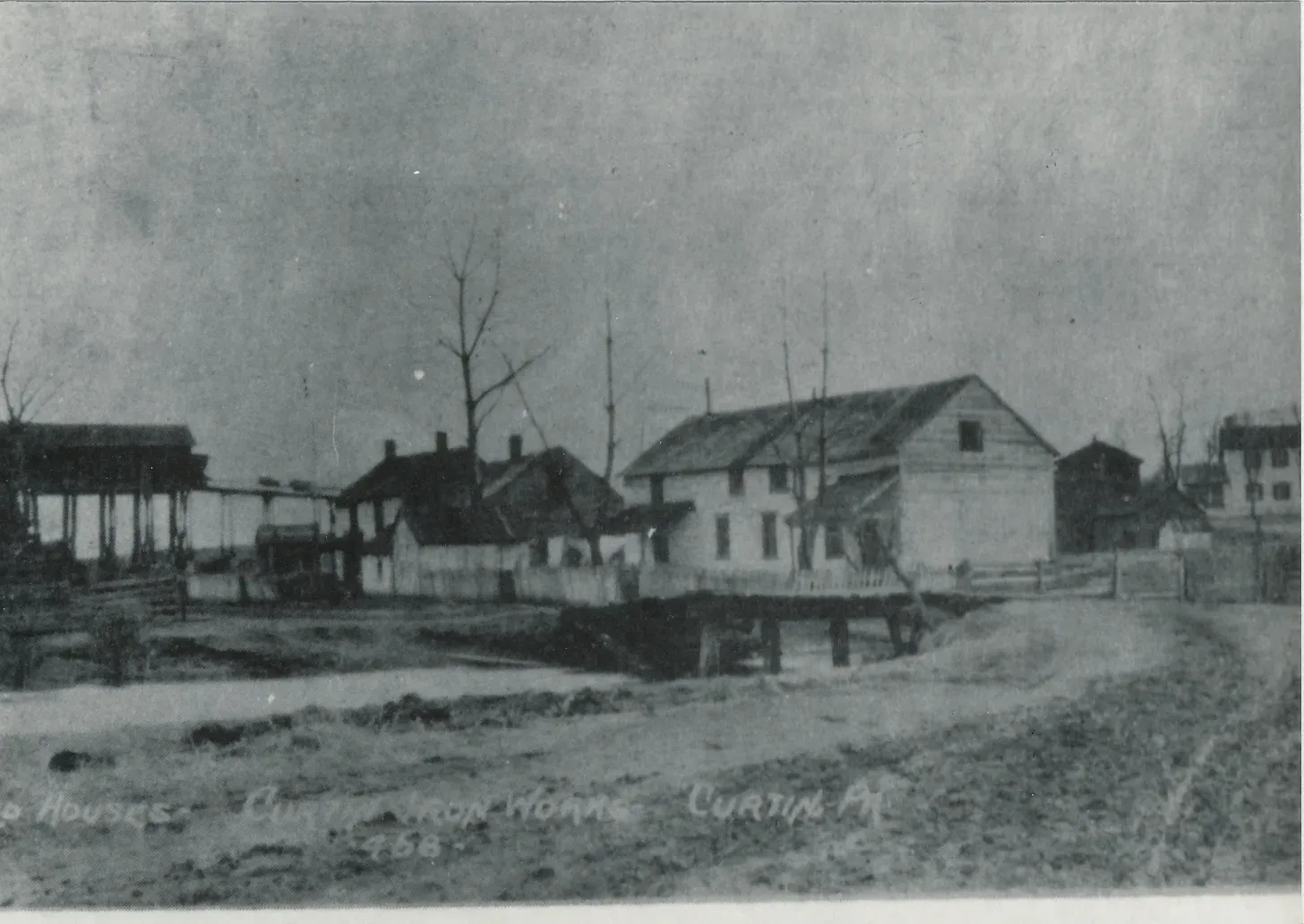
The Iron Industry in Centre County